
All components tested; safe and nutritious superfoods
InviNutri ingredients, benefits, lab tests and studies
Most Nutrition Solutions Start With The Nutrient. We Start With Acceptance.
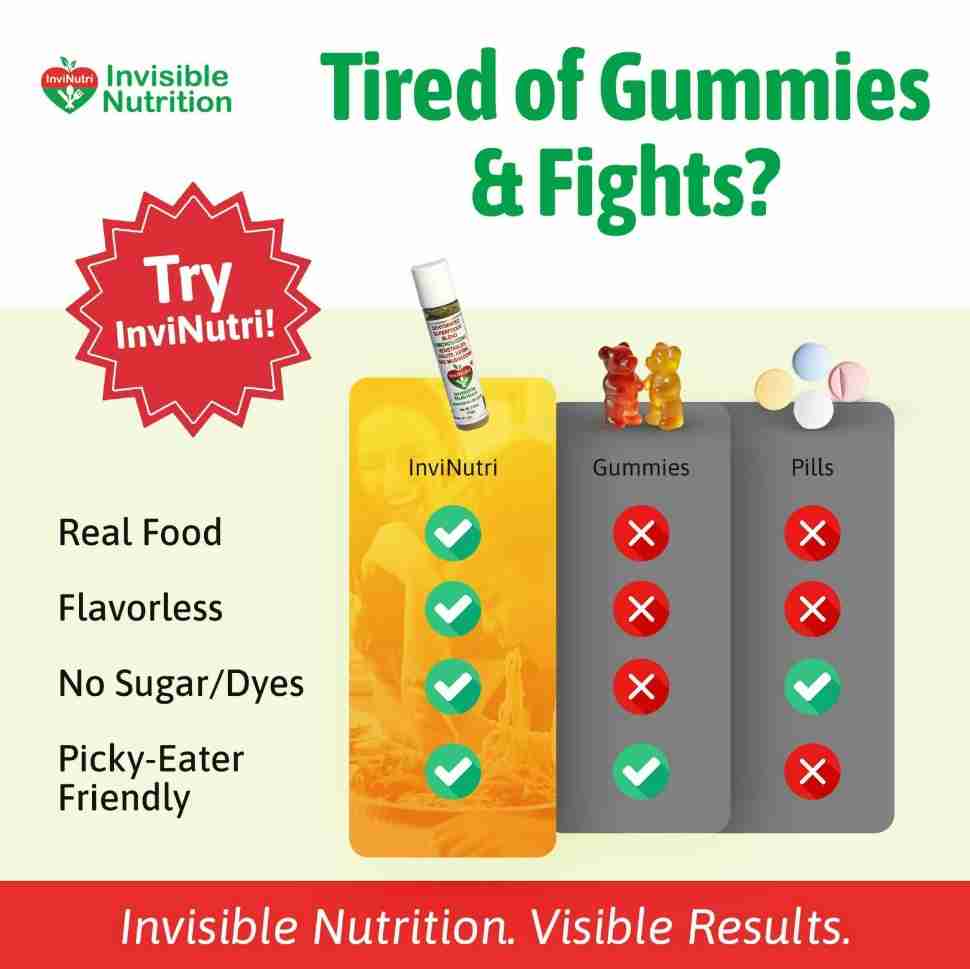
InviNutri is made with premium microgreens and real-food ingredients — not synthetic vitamin blends, sugary gummies, or cheap filler powders.
Microgreens are expensive to grow and preserve, but they make the tiny serving possible.
And for picky eaters, tiny matters. Less powder means less taste, less texture, less color change, and less chance your child notices..
Why choose real-food nutrition
Many children’s vitamins are built around isolated nutrients, sweeteners, flavors, or gummy formats.
InviNutri takes a food-first approach: organic real-food nutrients concentrated into a tiny scoop for everyday meals.
It is not about replacing healthy eating. It is about adding real-food nutrition when eating is limited, repetitive, or not going perfectly.
Why microgreens?
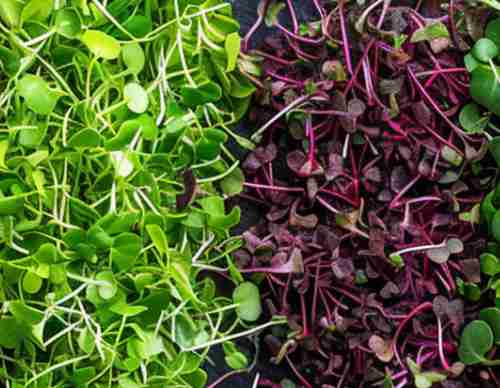
Microgreens are young plants known for their nutrient density and naturally occurring plant compounds. InviNutri uses them to deliver meaningful plant-based nutrition in a very small scoop. Studies show they contain up to 40x more vitamins and minerals and 100x more phytonutrients than mature vegetables.
Naturally occurring plant compounds
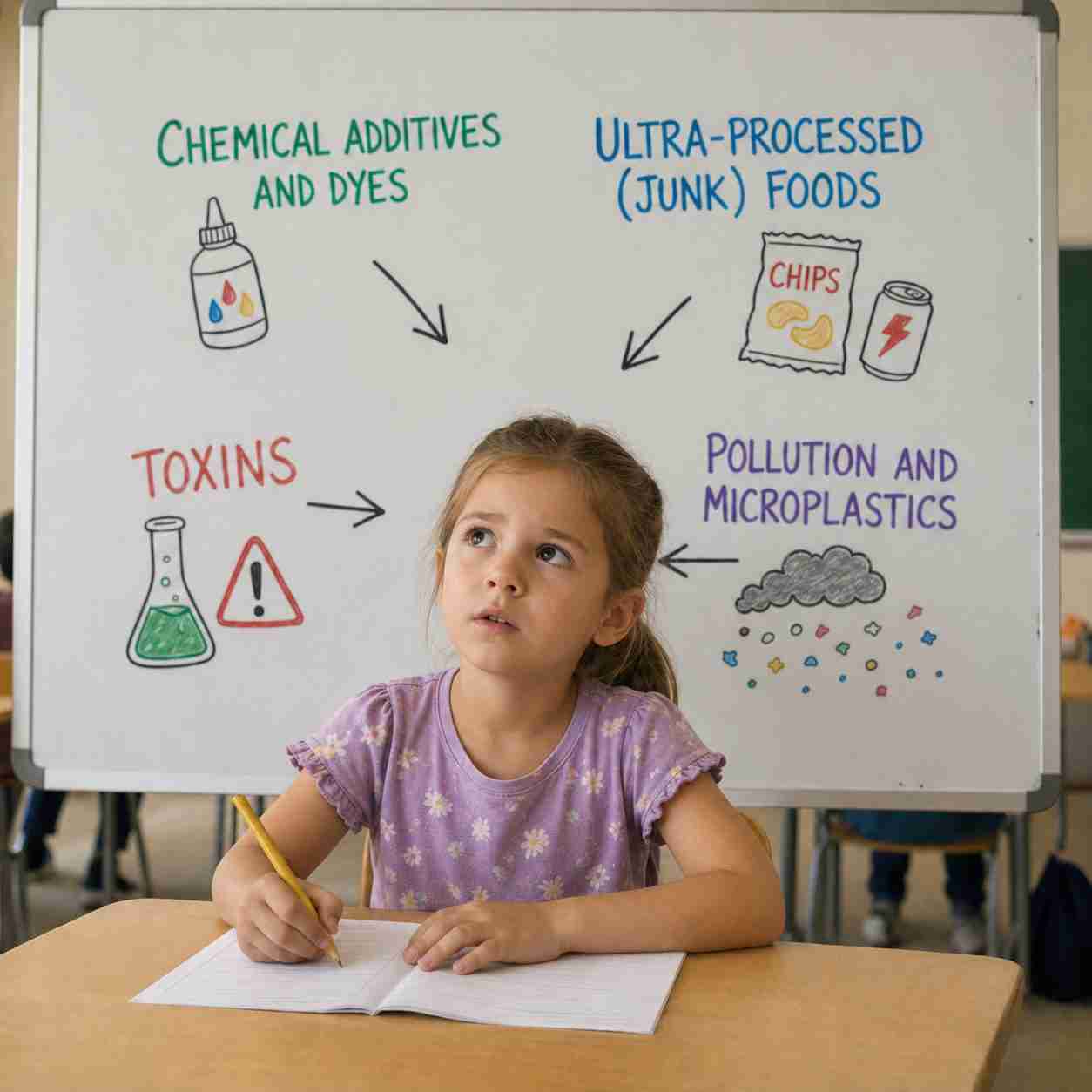
InviNutri includes microgreens (especially broccoli and kale) and whole-food plant ingredients that provide naturally occurring phytonutrients, antioxidants, and plant compounds, including sulforaphane-related nutrients. Sulforaphane is widely studied for its role in supporting the body’s antioxidant and cellular defense pathways. InviNutri brings this plant-based nutrition into a tiny scoop designed for everyday meals.
InviNutri is a food-based nutrition product and is not intended to diagnose, treat, cure, or prevent disease.
InviNutri ingredients
Microgreens
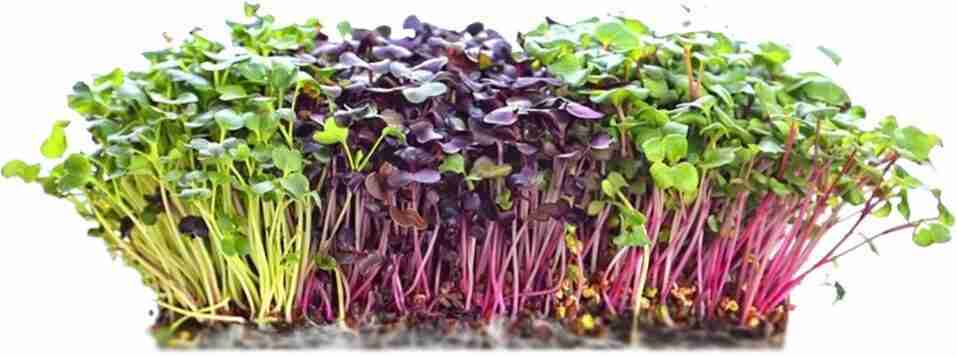
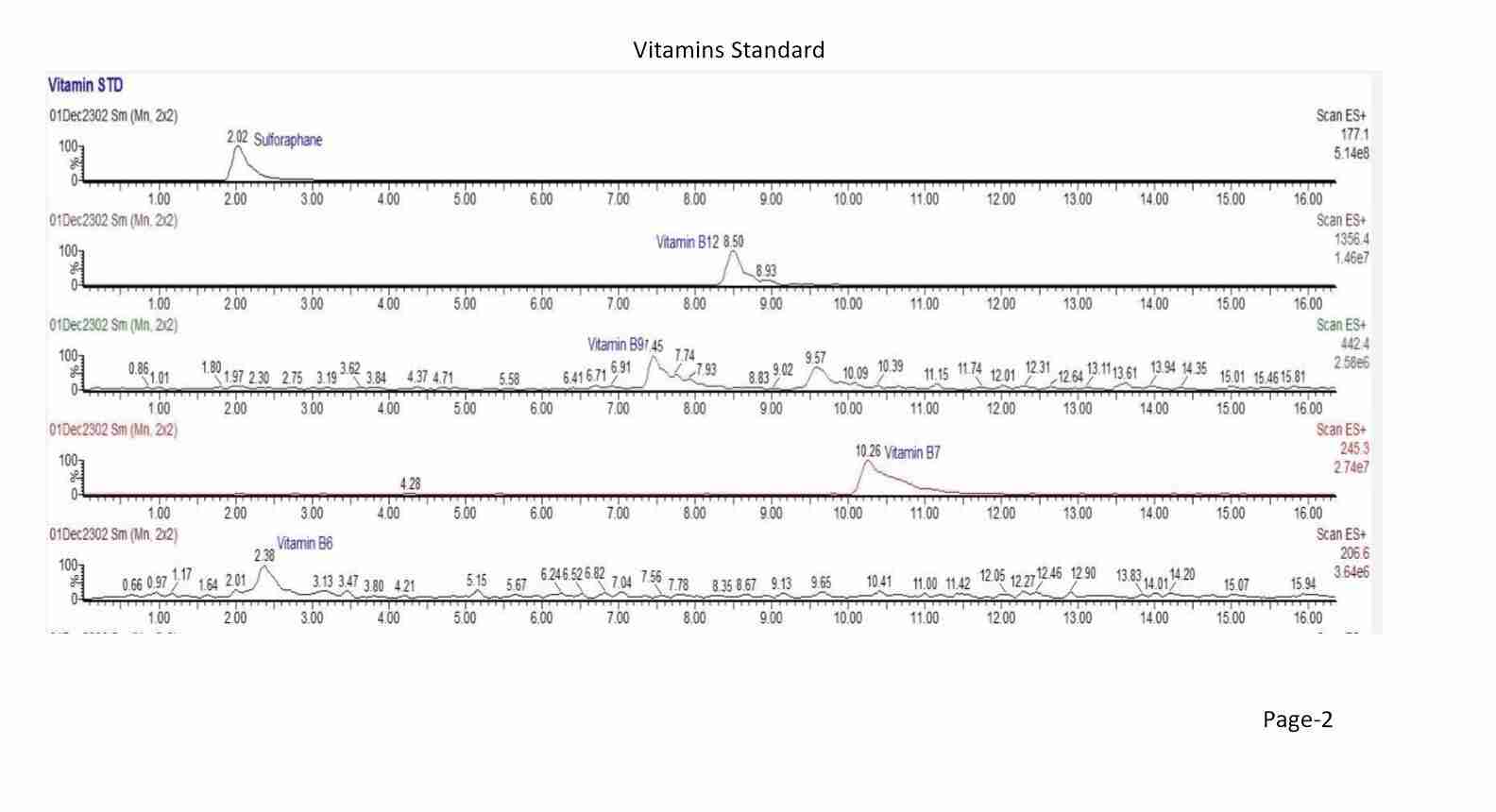
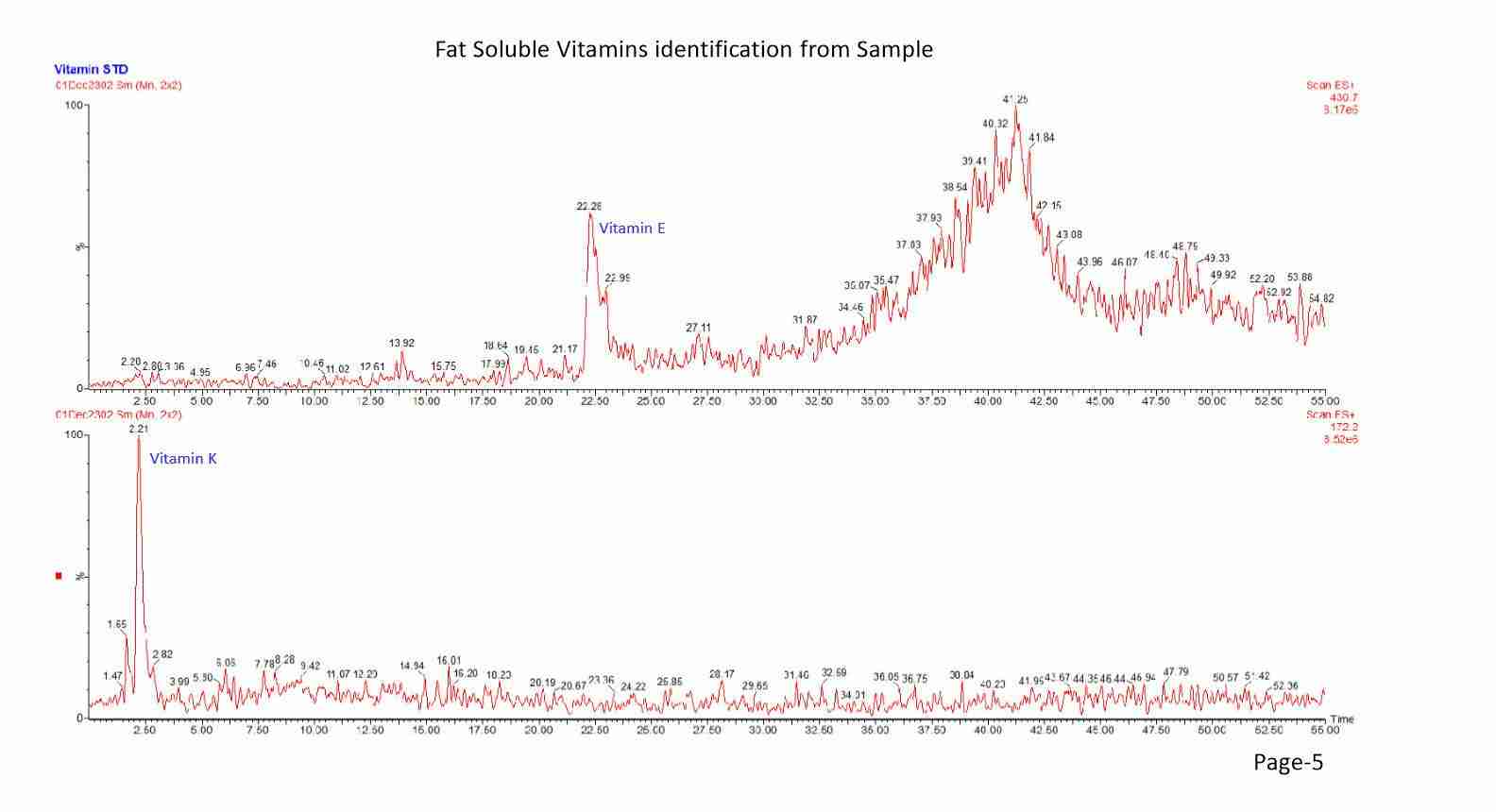
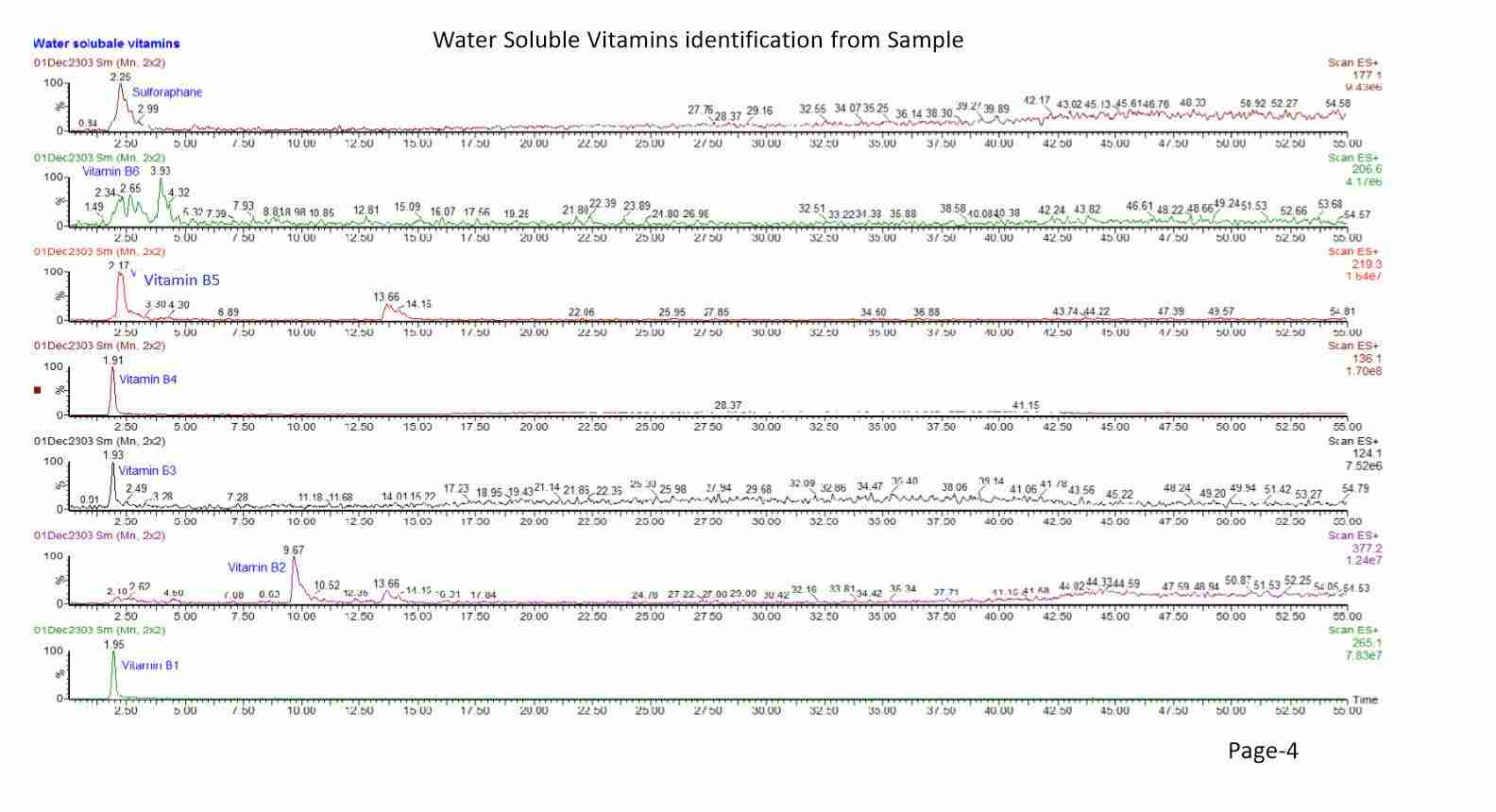
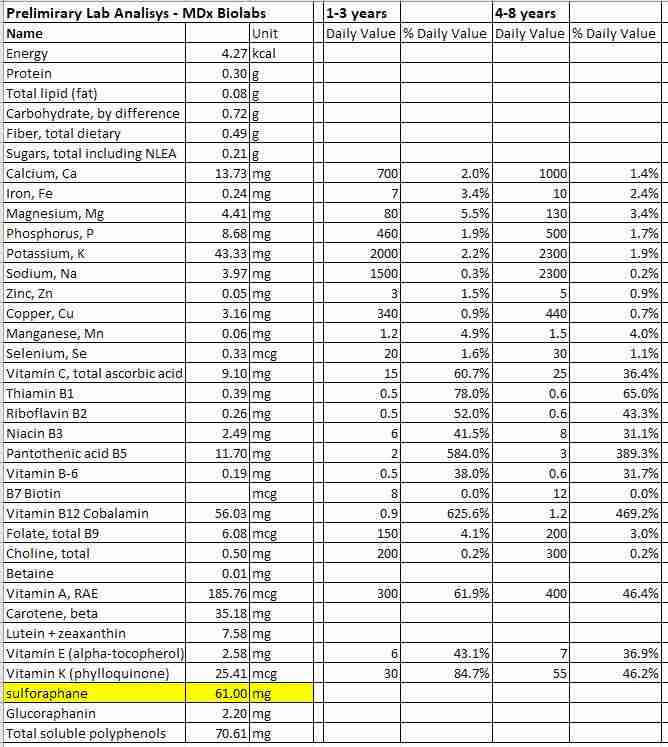
9 different Microgreens: Arugula, Broccoli, Brussel Sprouts, Cabbage, Chia, Kale, Pea, Radish and Lettuce. These are vegetables that are harvested early in their maturation process (between a sprout and a baby green), normally before their true leaves have formed. These young vegetables have highly concentrated nutrient quantities, up to 40x more and 100x more Phytonutrients than regular veggies. They are incredibly rich in potassium, iron, zinc, magnesium and copper, antioxidants, polyphenols, sulforaphane and vitamins: B1, B2 , B3, B5, B6, B7, B9 (folate), B12, C, E, A and K. Grown organically and sustainable in indoor Hydroponic farms, non-GMO and with no chemicals or industrial processing.
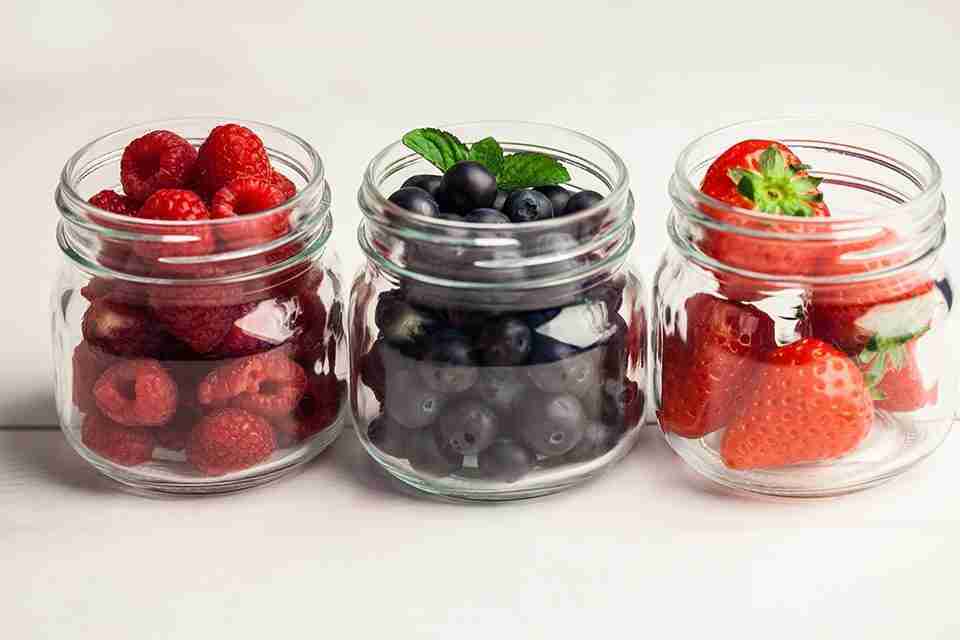
Berries
Raspberries aid in weight loss, improve skin health, and strengthen the immune system and helps produce collagen.
They are antioxidant powerhouses, and can help reduce inflammation.
Strawberries are filled with biotin, which helps build strong hair and nails. Also contain the antioxidant ellagic acid, which protects the elastic fibers in our skin.
Blueberries are nutrient-dense and high in fiber. The berries are a rich source of vitamin C, vitamin K, vitamin B6, folate, potassium and copper. Abundant in antioxidants, especially anthocyanin, which are renowned for their deep blue color and powerful health benefits.
Strawberries are filled with biotin, which helps build strong hair and nails. Also contain the antioxidant ellagic acid, which protects the elastic fibers in our skin.
Blueberries are nutrient-dense and high in fiber. The berries are a rich source of vitamin C, vitamin K, vitamin B6, folate, potassium and copper. Abundant in antioxidants, especially anthocyanin, which are renowned for their deep blue color and powerful health benefits.
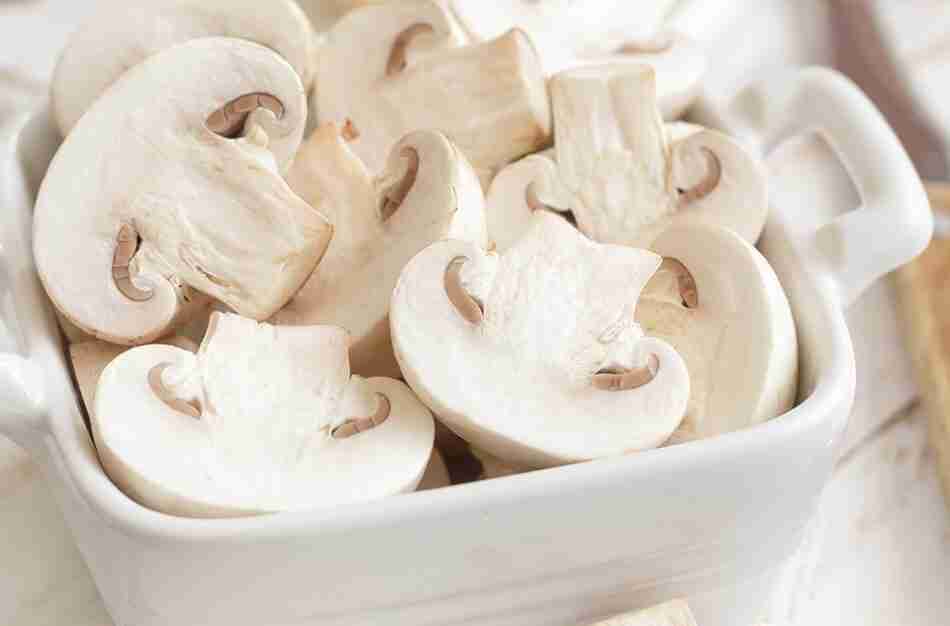
Mushrooms
Agaricus bisporus (white button mushroom) and Psylium Husk. Both contain high levels of dietary fibers and antioxidants including vitamin C, D, and B(12) folates and polyphenols.
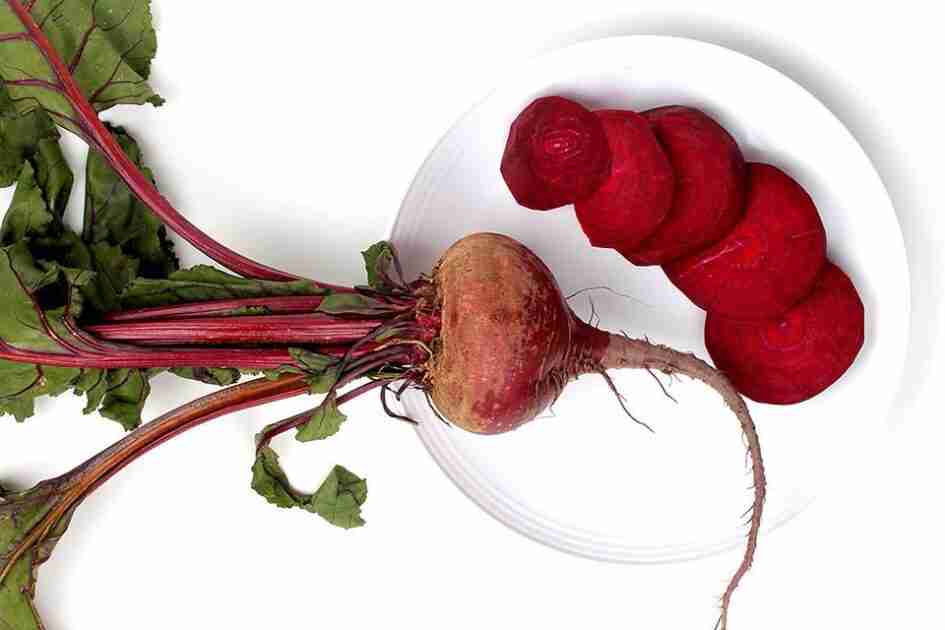
Beets
Beets are highly nutritious and packed with essential vitamins, minerals, and plant compounds, many of which have medicinal properties. Supports brain health, improves digestive health, helps fight inflammation and have been found to improve athletic performance. Very rich in Folate, Manganese, Copper, Potassium, Magnesium, Vitamin C, Vitamin B6, Iron.
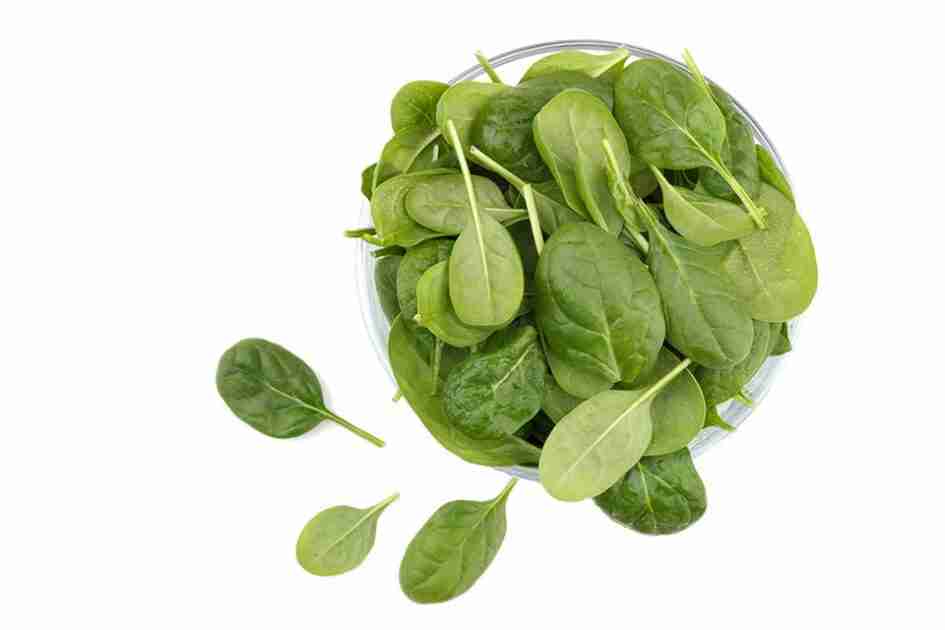
Spinach
Spinach may benefit eye health, reduce oxidative stress, helps prevent cancer, and reduces blood pressure levels. It’s loaded with nutrients and antioxidants: It packs high amounts of carotenoids, vitamin C, vitamin K, folic acid, iron, and calcium. Contains several important plant compounds, including Lutein, Kaempferol, Nitrates, Quercetin and Zeaxanthin.
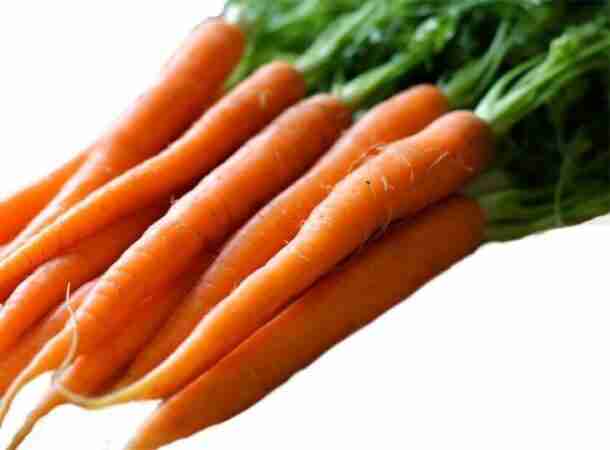
Carrots
Carrots offer a variety of health benefits: Excellent source of beta carotene – a powerful antioxidant which helps reduce inflammation, protect your eyes and may even help prevent cancer. In addition, carrots contain fiber, vitamin A, B6, K and Biotin as well as the essential mineral potassium.
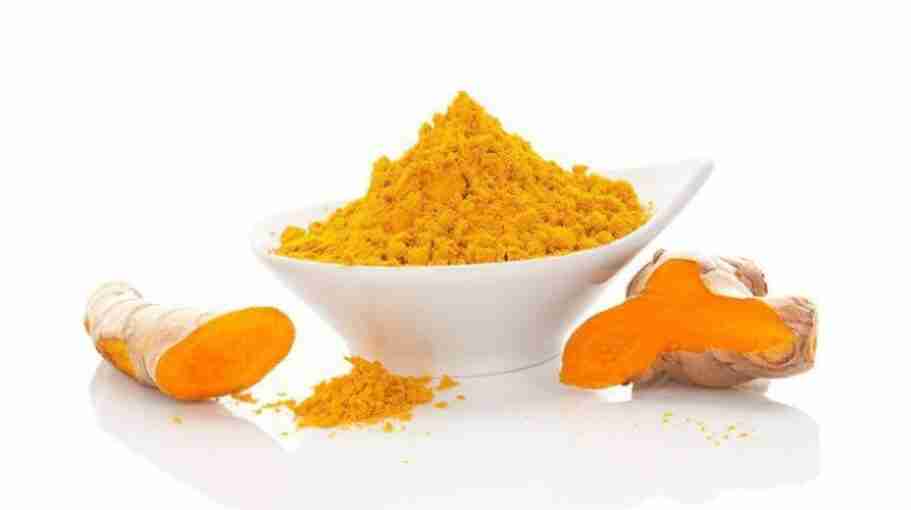
Turmeric
Contains minerals like calcium, iron, potassium, manganese, copper, zinc, and magnesium. Fiber, vitamin B6, niacin, vitamin C and vitamin E. Has anti-inflammatory, carminative, anti-flatulent and anti-microbial properties
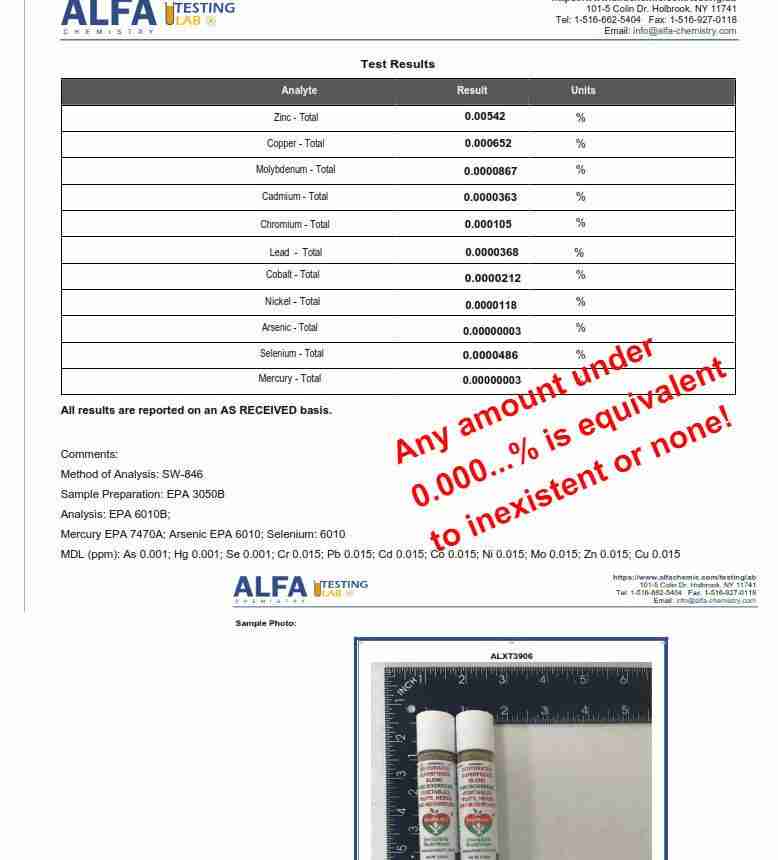
See here all 3rd party lab tests
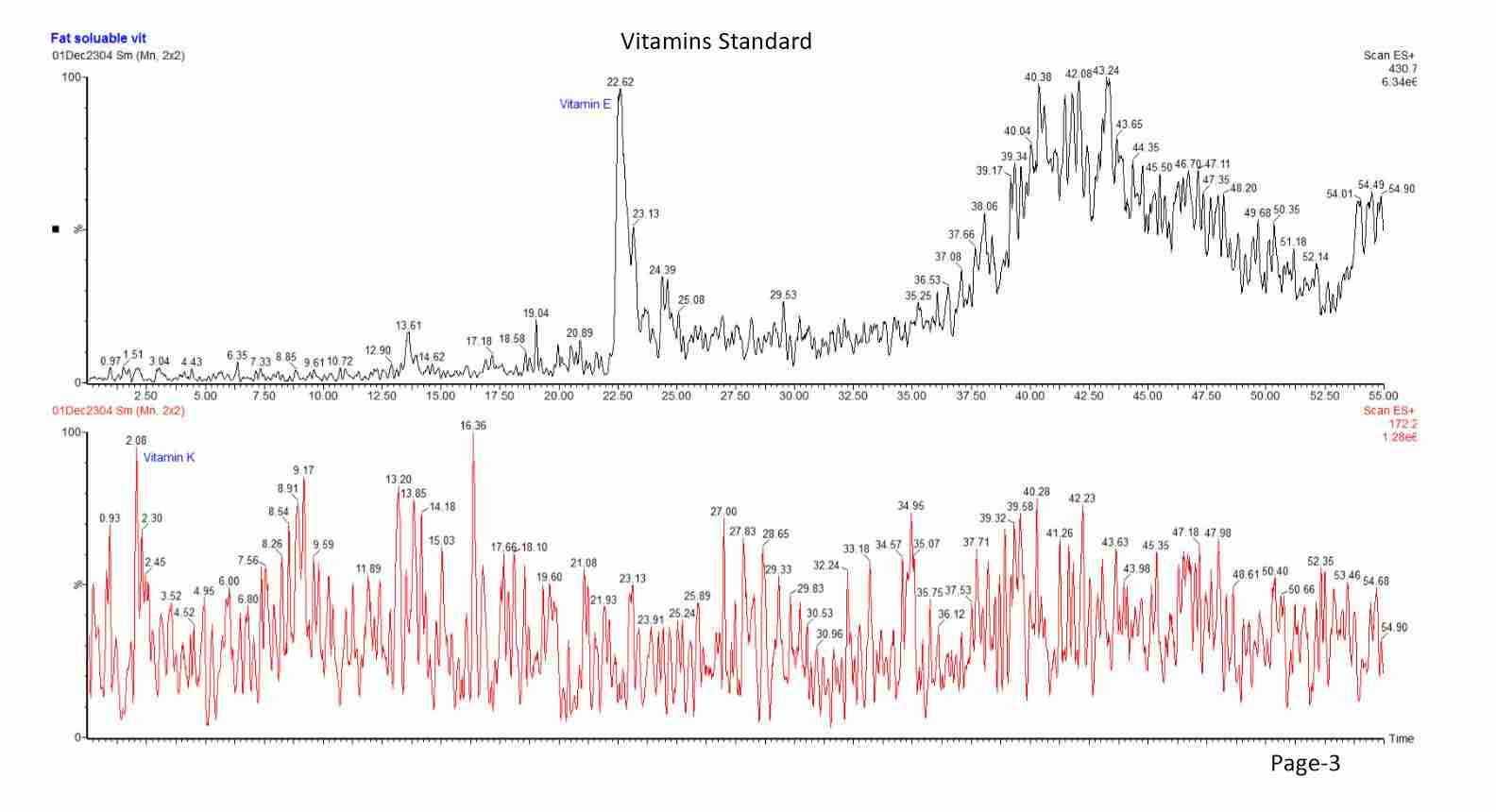
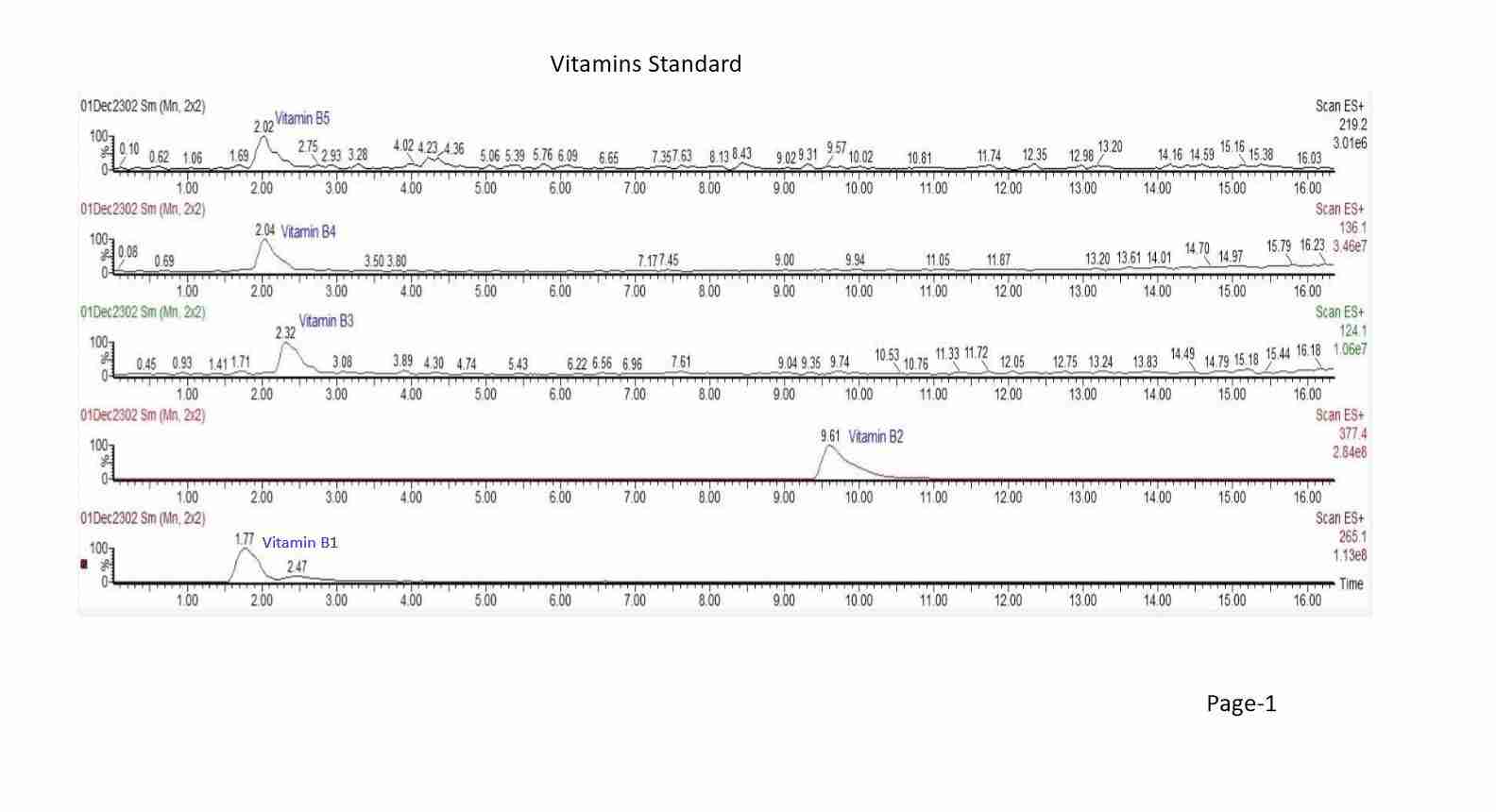
No Heavy Metals, full of 100% natural vitamins, minerals, fiber and phytonutrients.
Proofs & Studies:
Synthetic vs Natural Nutrients:
https://www.healthline.com/nutrition/synthetic-vs-natural-nutrients
https://www.youtube.com/watch?v=18tnJ9wLDbk
https://www.youtube.com/watch?v=l8FkfVsz76E\
https://www.youtube.com/watch?v=mAlaexDCC44&ab_channel=Dr.EricBergDC
https://www.medicinenet.com/what_are_natural_vitamins_and_nutrients/article.htm
https://www.drberg.com/blog/avoid-these-synthetic-vitamins
https://www.semanticscholar.org/paper/The-Truth-about-Vitamins-in-Nutritional-Supplements-Thiel/1ed148afcc8fc4be82d7d42ecc8f0bcdde294333
https://www.youtube.com/watch?v=l8FkfVsz76E
Summary:
Natural nutrients come from whole foods or food-derived concentrates, where vitamins and minerals are delivered alongside cofactors such as enzymes, polyphenols, carotenoids, fiber, and other plant compounds.
Synthetic nutrients are manufactured or isolated in labs and then added to supplements or fortified foods.
Chemically, some synthetic vitamins are almost identical to natural forms, while others differ in form, isomer mix, or accompanying compounds.
The strongest pro-synthetic argument is consistency. Synthetic nutrients are cheaper, easier to standardize, and easier to dose precisely. That is why most mainstream multivitamins and fortified foods use them.
The strongest pro-natural argument is context. In foods, nutrients come in a biological matrix with other compounds that may support absorption, retention, metabolism, or broader physiological effects. Whole-food sources may also provide a wider spectrum of beneficial compounds than isolated vitamin pills. This is one reason diets rich in fruits and vegetables usually outperform supplement-heavy approaches in long-term health outcomes.
Common examples often discussed:
Vitamin E: natural d-alpha-tocopherol and synthetic dl-alpha-tocopherol are not identical in biological activity.
Folate: folic acid is synthetic and very useful, but it differs from naturally occurring folates in foods.
Vitamin A: beta-carotene from plants differs from preformed retinol, and high-dose isolated forms can behave differently than food sources.
Vitamin C: isolated ascorbic acid can correct deficiency, but whole foods provide flavonoids and other compounds not present in a simple tablet.
The most balanced conclusion is:
Synthetic nutrients have low absorption (need higher doses), but can work for supplementation and deficiency correction.
Natural, food-based nutrients may offer broader nutritional value because they come with cofactors and a full-food matrix.
Whole foods are generally preferred as the foundation, while supplements are seen as targeted support rather than perfect substitutes for a nutrient-rich diet.
Whole-food nutrients provide vitamins and minerals in a more complete food matrix, with naturally occurring cofactors and phytonutrients that isolated synthetic supplements do not fully replicate.
Sulforaphane:
Sulforaphane Treatment in Children with Autism: A Prospective Randomized Double-Blind Study: https://pmc.ncbi.nlm.nih.gov/articles/PMC9920098/
Randomized controlled trial of sulforaphane and metabolite discovery in children with Autism Spectrum Disorder: https://link.springer.com/article/10.1186/s13229-021-00447-5
Sulforaphane treatment of autism spectrum disorder (ASD): https://www.pnas.org/doi/10.1073/pnas.1416940111
Sulforaphane as an adjunctive treatment for irritability in children with autism spectrum disorder: A randomized, doubleblind, placebo-controlled clinical trial: https://clinicaltrials.gov/study/NCT02909959
Understanding the Potential of Sulforaphane in ASD Treatment: https://www.apricott.com/resources/sulforaphane-treatment-of-autism
Sulforaphane from Broccoli Reduces Symptoms of Autism: A Follow-up Case Series from a Randomized Double-blind Study: https://pmc.ncbi.nlm.nih.gov/articles/PMC5672987/
Sulforaphane Treatment of Children with Autism Spectrum Disorder (ASD) – A Progress Report: https://www.neurology.org/doi/10.1212/WNL.90.15_supplement.N1.002
Efficacy of Sulforaphane in Treatment of Children with Autism Spectrum Disorder: A Randomized Double-Blind Placebo-Controlled Multi-center Trial: https://link.springer.com/content/pdf/10.1007/s10803-022-05784-9.pdf
Sulforaphane for Autism and ADHD: Dosage, Benefits, and Research Insights: https://neurolaunch.com/sulforaphane-autism-dosage/
Sulforaphane and Autism: What You Need to Know: https://www.bridgecareaba.com/blog/sulforaphane-and-autism
Overall picture
The sulforaphane literature in autism is promising but still preliminary. The field has attracted attention because sulforaphane, a compound derived from glucoraphanin in broccoli microgreens and related cruciferous plants, appears to influence pathways tied to oxidative stress, inflammation, heat-shock response, and cellular detoxification systems. Those mechanisms overlap with hypotheses about biological dysregulation in at least some people with ASD.
What the main clinical studies generally found
The 2014 PNAS study is the landmark trial most people cite. It reported improvements in some behavioral measures in young men with moderate to severe autism during sulforaphane treatment, with effects tending to diminish after discontinuation. That study helped establish clinical plausibility, but it was relatively small and not enough on its own to establish standard-of-care use.
Later randomized controlled trials in children have produced mixed but still encouraging results. Some reported improvements in irritability, hyperactivity, social responsiveness, or broader behavioral ratings, while others showed more modest or inconsistent effects depending on the outcome measure, subgroup, duration, and evaluator. The strongest pattern across the literature is not “sulforaphane clearly treats autism,” but rather “some children may show measurable improvement on selected behavioral endpoints.”
Follow-up reports and case-series style publications generally support the possibility of benefit in subsets of participants, but are useful for signal detection, not for definitive proof.
What these studies usually support
They generally support that sulforaphane is biologically active, clinically plausible, and worthy of continued research in ASD.
They suggest possible improvements in some domains such as irritability, behavior, social interaction, or caregiver/clinician-rated symptoms in at least some participants.
They also support that benefits, when observed, may not persist once treatment stops.
What they do not establish
They do not show that sulforaphane cures autism, but create some progress.
They do not show consistent efficacy across all individuals with ASD.
They do not establish a universally accepted dosing standard.
They do not justify broad medical claims without physician supervision, especially in children.
Safety and tolerability
Most studies and summaries describe sulforaphane as reasonably well tolerated, but tolerability is not the same as risk-free. Reported issues can include mild-to-moderate adverse events, depending on formulation and dose. Since these studies often involve children with neurodevelopmental differences, monitoring matters.
How I would summarize the evidence in one sentence
Sulforaphane is one of the more interesting nutraceutical candidates studied in ASD, with early randomized evidence suggesting possible benefit in some behavioral domains for some children.
Best claim language:
“Sulforaphane has shown promising early results in some autism studies.”
“Preliminary clinical research suggests possible benefits for some behavioral symptoms in some children.”
“More research is needed to determine which children may benefit most.”
Microgreens:
Nutritional quality and health benefits of microgreens, a crop of modern agriculture: https://www.researchgate.net/publication/356023289_Nutritional_quality_and_health_benefits_of_microgreens_a_crop_of_modern_agriculture
Development strategies and processing effects on the nutritional and bioactive composition of microgreens: A comprehensive review: https://www.sciencedirect.com/science/article/pii/S2772502225005852
Microgreens—A Comprehensive Review of Bioactive Molecules and Health Benefits: https://pmc.ncbi.nlm.nih.gov/articles/PMC9864543/
A comprehensive review on microgreens: Nutritional value, cultivation, health benefits, and future perspectives: https://www.biochemjournal.com/archives/2025/vol9issue5/PartL/9-5-133-114.pdf
Nutritional Profile of a few types of Microgreens: https://www.isu.edu/media/libraries/rural-health/microgreens/Microgreen-Nutritional-Profile.pdf
Microgreens: A Comprehensive Review on Growth Conditions, Nutritional Quality, and Their Applications: https://www.tandfonline.com/doi/full/10.1080/87559129.2025.2550590
Nutritional quality and health benefits of microgreens, a crop of modern agriculture: https://www.sciencedirect.com/science/article/pii/S2772566921000057
Microgreens: Functional Food for Nutrition and Dietary Diversification: https://pmc.ncbi.nlm.nih.gov/articles/PMC11859409/
Nutritional quality profiles of six microgreens: https://www.nature.com/articles/s41598-025-85860-z
Summary:
Microgreens are generally presented as young edible seedlings harvested shortly after germination, usually at the cotyledon stage or after the first true leaves. Across the literature, they are treated as a concentrated plant food category with strong sensory, nutritional, and functional-food relevance.
Most reviews consistently report that microgreens can contain high levels of vitamins, minerals, carotenoids, phenolics, glucosinolates, anthocyanins, and antioxidant compounds. Brassica microgreens (Broccoli, Kale) in particular are often highlighted for glucosinolates and related compounds such as sulforaphane precursors.
A major recurring point is that microgreens are nutrient-dense relative to their size and can be useful for dietary diversification. The stronger claim is usually that many microgreens provide a dense and diverse phytochemical profile in a small serving.
The health-benefit discussion in these reviews is usually promising. Commonly cited potential benefits include antioxidant effects, anti-inflammatory activity, cardiometabolic support, antimicrobial activity, and possible chemoprotective relevance, especially where glucosinolates and phenolics are involved.
Processing is usually treated as a double-edged factor. Drying, storage, packaging, and transport can materially affect vitamin retention, phytochemical stability, color, flavor, and shelf life. Low-temperature or optimized processing is often framed as important for preserving nutritional quality, while harsher processing can reduce sensitive compounds.
The newer reviews likely expand on commercialization and application. That usually includes microgreens as functional ingredients, powders, fresh foods, supplements, or components of specialized nutrition strategies. The strongest scientific framing here is “nutrient-dense functional plant ingredient”
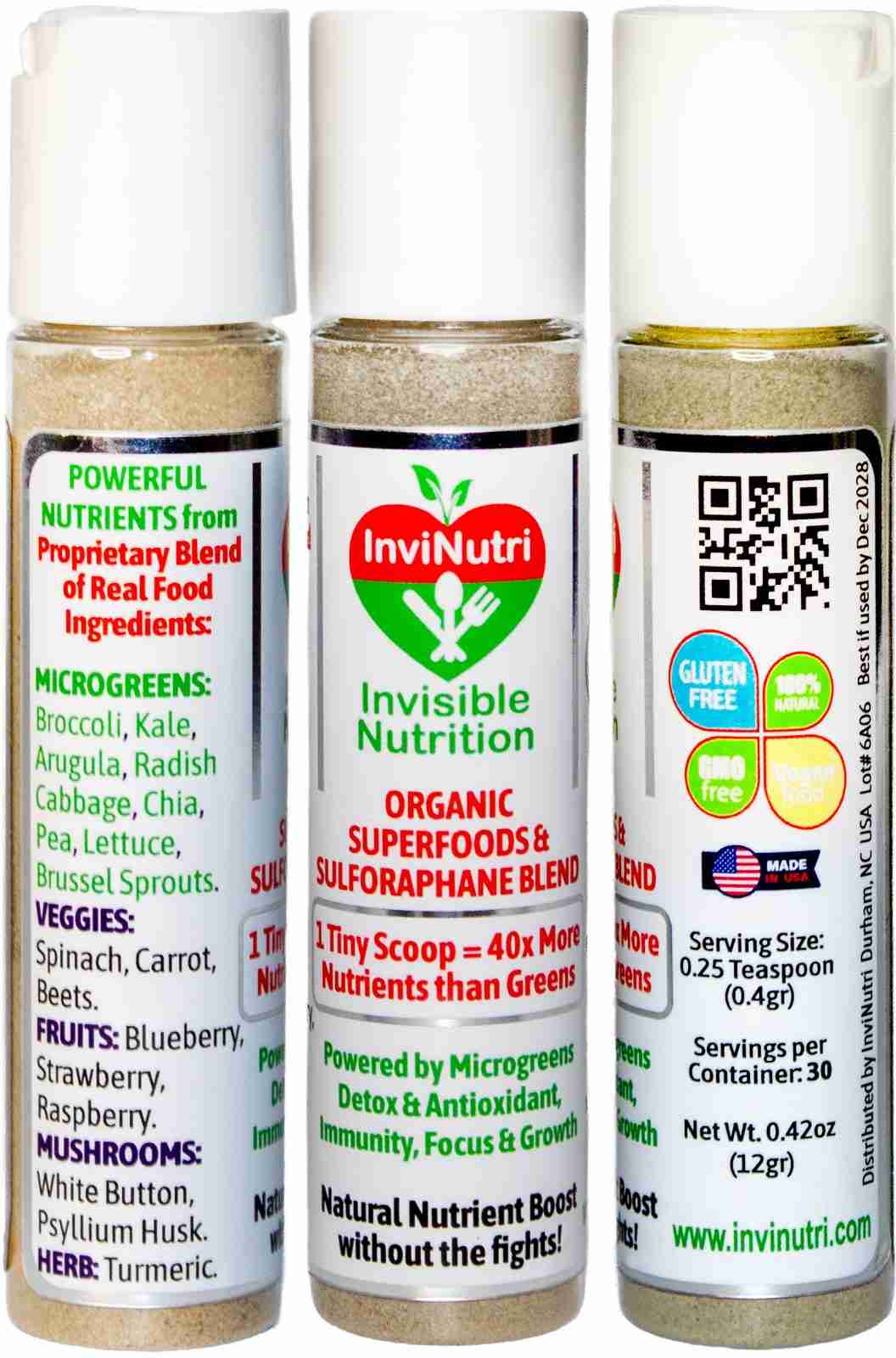
Concentrated Natural Nutrition
No More Fights with Picky Eaters

Meet our Test Team
All great products are created based on necessity and solution. Our inspiration came from this great team.
They love InviNutri and the health benefits (while enjoying their favorite meals!).
Their parents love the peace of mind.
They love InviNutri and the health benefits (while enjoying their favorite meals!).
Their parents love the peace of mind.