How to Cover Nutrient Gaps Quietly at Meals
August 7, 2026
Is Picky Eating Ever a Nutrition Risk for Kids?
August 12, 2026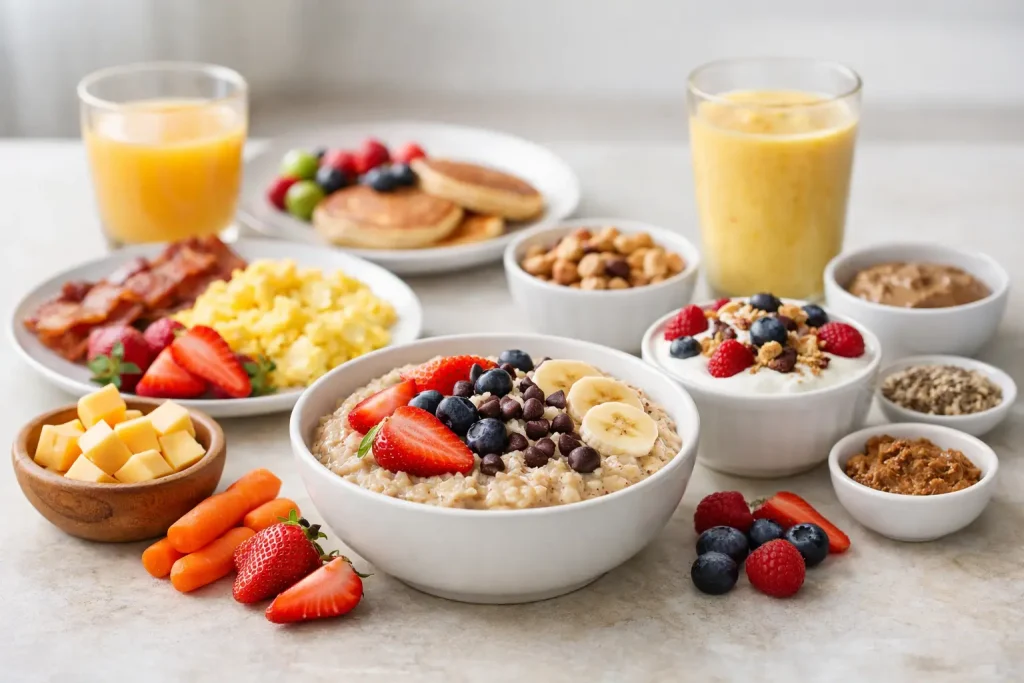
A child who accepts the same plain waffle every morning is not giving you a blank canvas. They are telling you what feels safe. For families managing strong preferences, sensory sensitivities, or a very limited food list, the best breakfast add ins for picky eaters are not the ones with the biggest nutrition claims. They are the ones your child can tolerate without breakfast turning into another hard moment.
That may mean adding one familiar item beside a safe food instead of mixing anything in. It may mean using a tiny amount of an ingredient for several days before increasing it. And sometimes, it means accepting that a food is not a fit right now. Nutrition matters deeply, but so does protecting your child’s trust at the table.
What Makes a Breakfast Add-In Work for a Picky Eater?
A useful add-in has to work in real life. It should match a food your child already accepts, have a predictable texture, and be easy to repeat on rushed school mornings. It also needs to fit their specific sensory needs. A child who avoids wet foods may be fine with a few freeze-dried fruit crumbs but not a spoonful of yogurt. A child who dislikes mixed textures may accept peanut butter on the side, but not swirled into oatmeal.
Think of add-ins as gentle options, not upgrades you need to force. The goal is to widen nutrition around familiar breakfast foods while keeping the meal recognizable.
Best Breakfast Add Ins for Picky Eaters Who Like Smooth Foods
Smooth, consistent foods can be a comfortable starting point for children who avoid chunks, seeds, or unexpected bits. If your child already accepts yogurt, smoothies, applesauce, or a drinkable breakfast, these additions can be easier to trial.
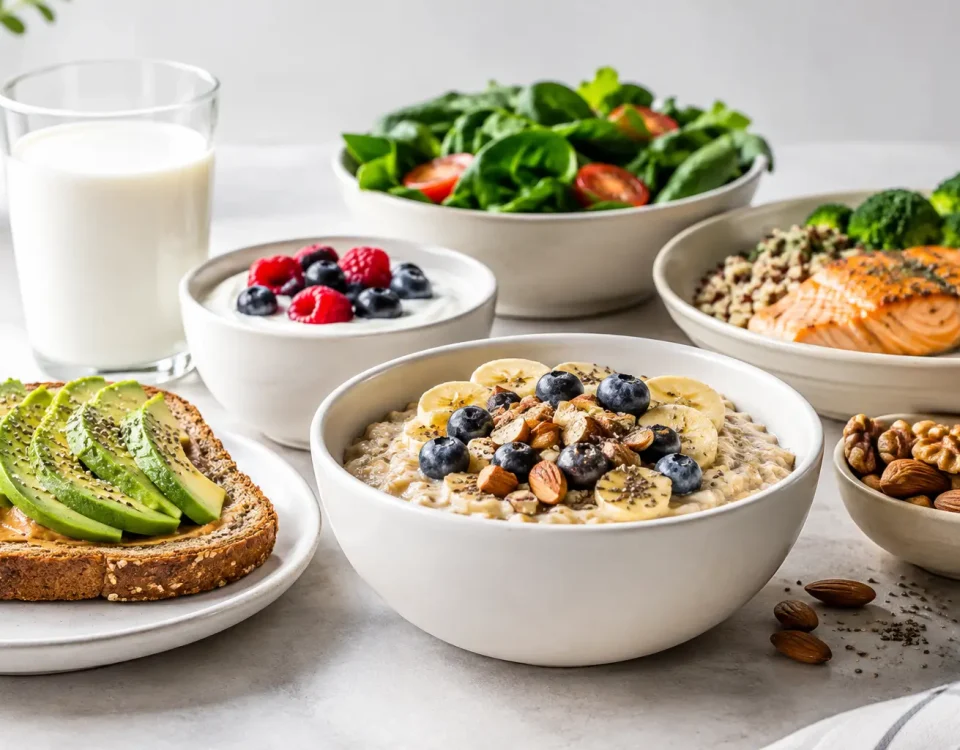
1. Plain Greek yogurt. A small spoonful can add protein to a smoothie, fruit puree, or a familiar flavored yogurt. Its tang can be noticeable, so start with a very small amount if your child is sensitive to flavor changes.
2. Peanut butter or sunflower seed butter. These work well in smoothies, on toast, or as a dip beside crackers or banana slices. Sunflower seed butter can be a practical alternative in nut-free homes or schools. The trade-off is that both have a distinct taste, so serving them separately may be more successful than mixing them into a safe food.
3. Whole-milk yogurt or cottage cheese blended smooth. For children who need more staying power than fruit alone, full-fat dairy can make breakfast more filling. Blended cottage cheese is only worth trying if your child already accepts similar creamy foods. Do not assume it will disappear in a smoothie if they are especially alert to taste.
4. Avocado. Mild avocado can blend into a chocolate smoothie or be mashed onto toast. It offers healthy fats, but color can be the deal-breaker. If green foods are a firm no, keep this one off the pressure list.
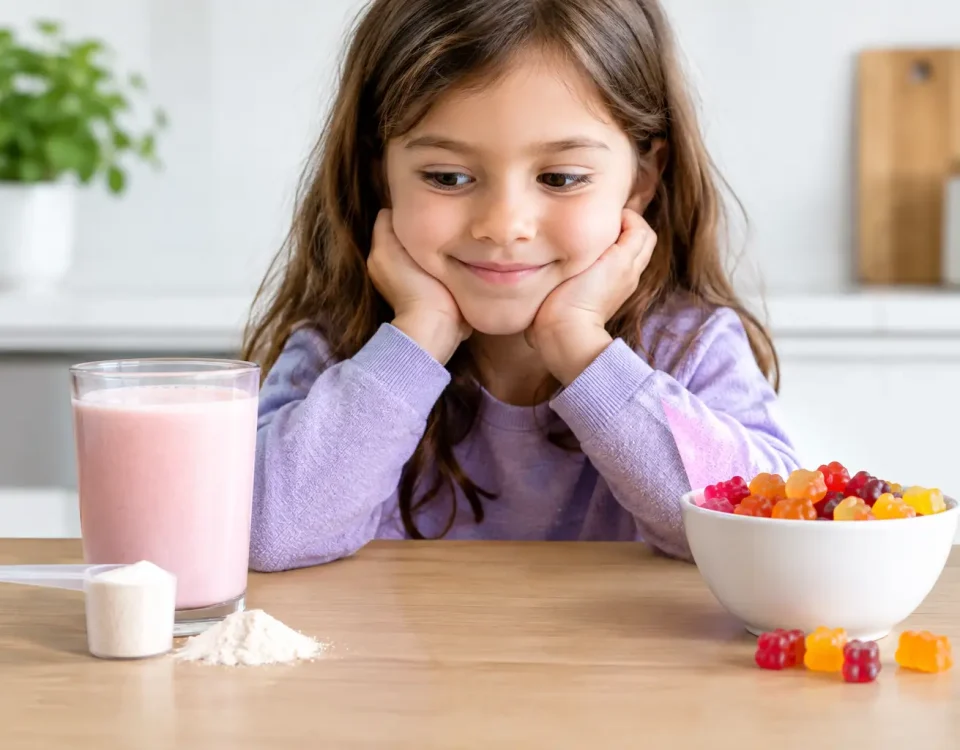
5. A truly invisible whole-food nutrition powder. When a child’s safe breakfast is narrow, an unflavored powder designed to disappear into accepted foods can help cover some nutritional gaps without asking them to eat a new meal. InviNutri is made for this purpose: a no-sugar, whole-food option intended to blend into foods children already eat without changing taste or texture. Still, begin with a small amount in a food they know well, because every child’s sensory threshold is different.
Add-Ins for Toast, Waffles, Pancakes, and Other Dry Safe Foods
Many selective eaters prefer dry, separated foods. If that sounds familiar, do not rush to turn waffles into a loaded breakfast. Offering a topping on the side can preserve the predictability your child needs.
6. Thinly spread cream cheese. Cream cheese is familiar, mild, and easy to control. Some children prefer it plain; others may accept a little cinnamon mixed in. A thick layer can feel heavy or slippery, so less is often more.
7. Mashed banana. Banana can be spread thinly on toast or served in coins beside a waffle. It adds potassium and natural sweetness without requiring a big flavor leap. For children who dislike soft textures, try banana chips or freeze-dried banana instead.
8. Applesauce. Unsweetened applesauce makes a gentle dip for pancakes, toast strips, or French toast. Choose smooth applesauce for children who reject fruit pieces. A separate dipping cup may feel safer than having it poured over their food.
9. Cinnamon. This is a small add-in, but it can make plain oatmeal, toast, or yogurt feel more familiar and appealing without changing texture. It will not provide significant nutrition on its own, but it can help bridge toward foods your child finds less exciting.
10. Ground oats. If your child accepts pancakes or waffles, finely ground oats can sometimes be added to a familiar batter for more fiber. This is best for children who are not highly sensitive to small changes in texture. Test it on a weekend, not five minutes before the bus arrives.
Gentle Fruit and Crunchy Add-Ins
Fruit can be a win for some children and an immediate no for others. The form matters as much as the fruit itself. Fresh berries, dried fruit, fruit puree, and freeze-dried fruit can feel like completely different foods to a sensory-sensitive child.
11. Freeze-dried strawberries, apples, or bananas. These offer a crisp, predictable crunch and can be served beside cereal, toast, or waffles. They are particularly helpful for children who avoid juicy or soft fruit textures. Crushed into a fine dust, they can also top yogurt or oatmeal for kids who accept a little crunch.
12. Blueberries or sliced strawberries on the side. For a child who accepts fresh fruit, keep it separate from the main breakfast at first. A few pieces are enough. A full bowl can feel like a demand, while a tiny portion communicates that the food is available without pressure.
13. Raisins or finely chopped dried fruit. These can add energy and iron to oatmeal or cereal, but stickiness is a common sensory concern. If your child dislikes sticky fingers, offer them in a small cup instead of mixing them in.
14. Crushed cereal. A familiar cereal sprinkled over yogurt or applesauce can add crunch without introducing an unfamiliar flavor. This is also a useful bridge for a child who accepts dry cereal but is wary of milk.
15. Chia or hemp hearts, used carefully. These add fiber, fats, and some protein, but they are not universal picky-eater add-ins. Chia changes texture dramatically when wet, and hemp hearts can be visible. They may work for a child who already accepts oatmeal or seeded foods, but they can backfire for children who scan food closely.
Start Smaller Than You Think
The most successful approach is often almost boringly small. Add a dusting, a half teaspoon, or one piece on the side. Keep the rest of breakfast exactly as your child expects it. Repetition matters more than a single big attempt, especially for children whose food preferences are connected to anxiety, sensory processing, ADHD, autism, or ARFID-related challenges.
Avoid hiding ingredients that visibly alter a safe food, then insisting nothing changed. Children who have had surprises in their food may become even more guarded. When an add-in is genuinely undetectable, it can be a practical safety net. When it is noticeable, honesty and low pressure protect trust better than persuasion.
A calm breakfast does not need to look balanced by social media standards. If your child eats one safe food plus one tiny, workable source of nutrition, that is meaningful progress. Start where they are, protect the foods that help them feel secure, and let small wins earn their place in the morning routine.