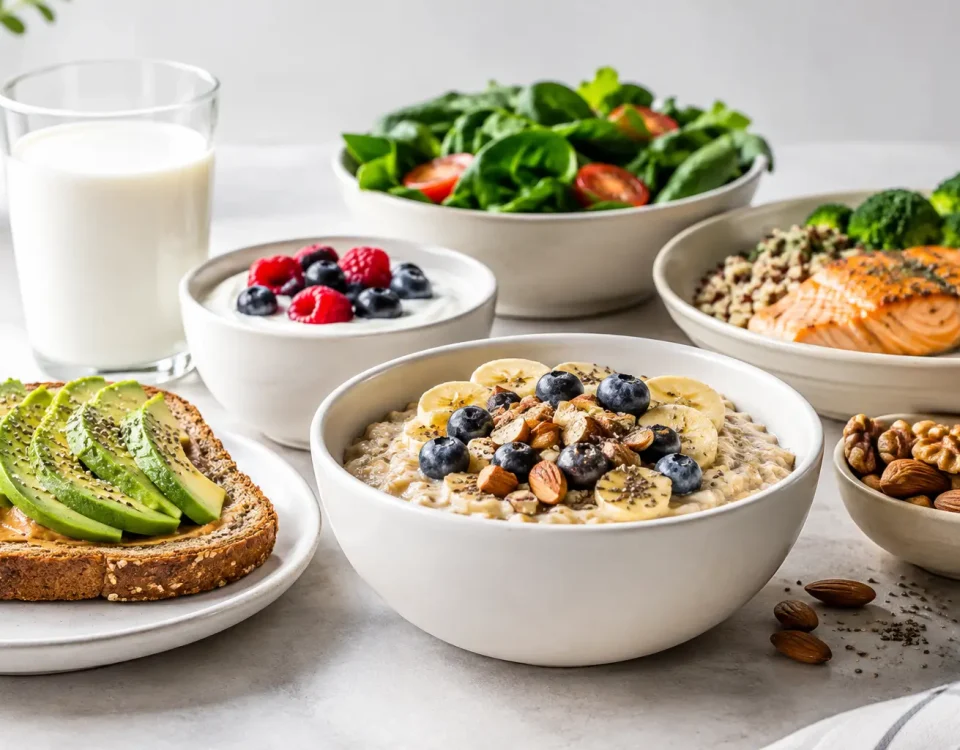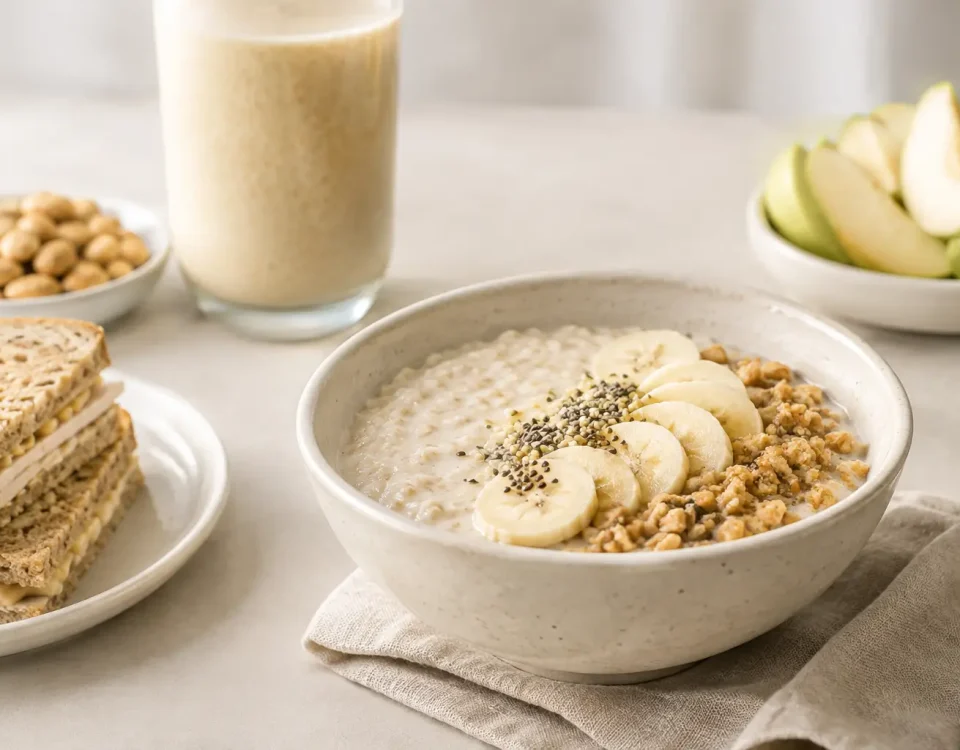
The 7 Best Ways to Serve Fortified Safe Foods
September 26, 2026
Powder Supplements vs Chewables for Picky Kids
September 30, 2026
The hardest part of dinner is not always getting food on the table. Sometimes it is bracing for the refusal before you have even sat down: the turned plate, the panic over a food touching another food, the bargaining, the fear that your child has eaten almost nothing again. This guide to low conflict meals is for parents who are tired of treating every meal like a test of willpower.
Low-conflict meals are not about letting nutrition go. They are about changing the conditions around food so your child can feel safe enough to eat, and you can stop carrying the entire emotional weight of every bite. For selective eaters, sensory-sensitive children, and kids with highly restricted diets, a calmer approach is often the practical one.
What low conflict meals actually mean
A low-conflict meal protects the relationship while still giving your child regular opportunities to eat. It removes pressure, reduces surprises, and makes room for the foods your child reliably accepts.
That may sound simple, but it can feel radically different from the advice many parents have heard. You may have been told to insist on one more bite, hide vegetables in ways your child will detect, or wait them out until hunger wins. For some children, especially those with sensory sensitivities, anxiety around food, ADHD, autism, or ARFID-related feeding challenges, those tactics can make eating harder over time.
A low-conflict approach does not mean preparing a separate restaurant menu every night. It means building a predictable structure: at least one familiar food, a manageable amount of food, and no requirement to perform for the adults at the table. Your child’s job is to decide whether and how much to eat. Your job is to offer food consistently and make the meal feel emotionally safe.
Start with safety, not variety
When a child has a narrow list of accepted foods, parents often feel pressure to fix it immediately. That urgency is understandable. You are thinking about protein, produce, vitamins, growth, and what the future will look like if the list gets even shorter.
But food expansion rarely begins with a surprise on a crowded plate. It begins when a child learns that meals are not a place where they will be trapped, shamed, or pushed past their limits.
Start each meal with one or two safe foods. A safe food is not a “bad habit” or a reward. It is a food your child can usually tolerate without distress. It might be plain pasta, crackers, yogurt, a specific brand of chicken nuggets, apple slices without the peel, rice, or buttered toast. The food does not need to meet anyone else’s definition of a balanced meal to serve an important purpose: it gives your child a way into the meal.
You can place a tiny portion of another food nearby if that feels realistic. The goal is exposure without demand. Your child may ignore it. They may smell it, touch it, move it away, or ask for it to be removed. All of those responses are information, not failure.
Reduce the pressure hiding in everyday phrases
Many well-meaning phrases become pressure when a child already feels anxious around food. “Just try it.” “You used to like this.” “Take three bites.” “You cannot leave until you eat.” These comments often come from love and worry, but they can turn the table into a negotiation your child expects to lose.
Try neutral language instead. You might say, “You do not have to eat that,” or, “That food can stay on your plate.” If they ask what something is, answer simply without selling it. “It is roasted sweet potato. It is soft and a little sweet.” Then let the food be.
This is not permissive parenting. It is responsive parenting. You are holding the structure by choosing when and where meals happen and what is offered. You are simply stepping back from controlling the bites.
It also helps to avoid using dessert as leverage. When sweets become the prize for eating “real food,” they can grow even more powerful, while the rest of the meal becomes a hurdle. If dessert is part of your family routine, serve it matter-of-factly and keep the emotional temperature low.
Make the meal easier to read
Children with sensory differences often need food to be visually and physically predictable. A mixed casserole, sauce covering everything, or a plate with foods touching may be easy for one child and genuinely overwhelming for another.
Consider serving meal components separately. Keep sauces on the side. Use a familiar plate or divided plate if that helps. Offer small portions, because a full plate can look like a demand. Let your child ask for more of a preferred food without making a comment about what they have not eaten.
Predictability can matter beyond the plate, too. A regular meal and snack rhythm helps children arrive with some appetite without becoming so hungry that regulation falls apart. It does not need to be rigid down to the minute. It needs to be reliable enough that your child knows another eating opportunity is coming.
The setting matters as well. Some children eat better with quiet. Others eat better with a familiar show, music, or a little movement beforehand. Family meals are valuable when they are possible, but a picture-perfect table is not the requirement. The best environment is the one that helps your child eat with less stress.
Separate nutrition support from the dinner battle
One reason meals become so emotionally charged is that parents are trying to solve every nutritional need at once. When you are worried that your child has had beige food for three days or rejected every protein on the plate, it is difficult not to push.
A nutrition safety net can create breathing room. It lets you support foundational nutrition without asking your child to suddenly accept a food that feels impossible. For families who need that kind of support, an invisible whole-food powder such as InviNutri can be blended into foods a child already accepts, without changing the taste or texture they rely on.
That is not a replacement for food learning or medical care. If your child is losing weight, choking, experiencing pain with eating, has a very limited diet, or shows signs of nutritional deficiency, bring those concerns to their pediatrician or a qualified feeding professional. But daily nutrition support can reduce the fear that makes every meal feel urgent.
When parents are less panicked about coverage, they are often better able to stay calm. And calm is not a small thing. Children notice when the adults around food are tense, disappointed, or watching every bite.
Let progress be smaller than a bite
For a child who fears new foods, progress may be sitting near the food without leaving the table. It may be allowing it on a separate plate, using a fork to move it, or tolerating its smell. Those steps build familiarity. They count.
Avoid making a big celebration out of a new food, too. Praise can feel like pressure when a child realizes that adults are monitoring them closely. A quiet “You noticed the peas” or “You touched the mango” is often enough. Keep your response calm whether they eat the food or do not.
It also helps to repeat foods without forcing a timeline. One exposure will not necessarily change anything. Some children need many low-pressure encounters before a food feels less threatening. Other foods may never become favorites, and that is okay. The goal is not a child who eats everything. The goal is a child who can eat enough, grow, and feel safe around food.
A guide to low conflict meals for real life
The low-conflict approach has trade-offs. It can feel slower than demanding a bite. It may require you to release the hope that tonight is the night your child suddenly eats the family meal. It can also mean serving chicken nuggets or plain noodles beside foods you wish they would eat.
But the alternative is often a cycle that leaves everyone more exhausted: pressure, refusal, escalating emotion, and less willingness to come to the table next time. A safe food is not the enemy. It is a bridge.
On especially hard days, make the goal smaller. Put out the accepted foods. Sit nearby if your child wants company. Keep your words few. Let the meal end before everyone is overwhelmed. You are not failing because dinner was simple. You are building the kind of trust that gives eating room to grow.