Picky Eating Solutions That Actually Help
May 9, 2026
Nutrition Powder vs Liquid Vitamins for Kids
May 13, 2026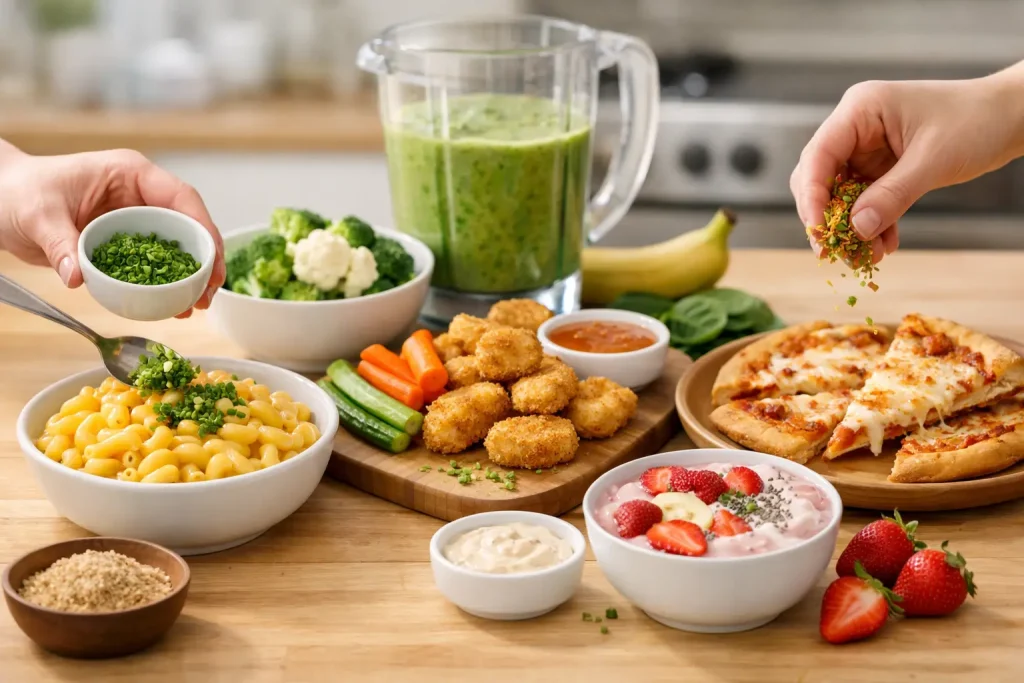
When your child will only eat buttered noodles, a specific brand of crackers, or yogurt from one exact pouch, every meal can feel loaded with pressure. Adding nutrition to safe foods is often the most realistic path forward for families dealing with extreme picky eating, sensory sensitivities, or ARFID-related feeding challenges – not because it is perfect, but because it respects the food patterns your child can already tolerate.
For many parents, this idea brings relief and guilt at the same time. Relief, because finally there is a practical option. Guilt, because so much feeding advice suggests you should be expanding variety, serving family meals, and teaching adventurous eating. But when your child is dysregulated by smell, texture, color, or change, those ideals can feel miles away from real life. Sometimes the most supportive thing you can do is stop trying to win at mealtime and start reducing nutritional risk inside the foods your child already trusts.
Why adding nutrition to safe foods makes sense
Safe foods are not just preferences. For many kids, especially neurodivergent kids, safe foods are predictable foods. They look the same, taste the same, and feel the same every time. That predictability can lower anxiety and make eating possible.
This is why the usual advice to just keep offering vegetables or hide bigger changes in meals often backfires. If a child notices the difference, even a small one, the safe food may stop feeling safe. Parents then lose one of the few reliable foods that was working. That is a high price to pay for a nutrition strategy that sounded good on paper.
Adding nutrition to safe foods works best when it protects the sensory experience first. Taste, texture, color, and smell matter. If the food no longer feels familiar, the plan usually falls apart.
There is also an emotional reason this approach matters. Mealtimes full of pressure can strain the parent-child relationship. A calmer system, where the child gets familiar foods and the parent gets some nutrition coverage, often reduces conflict quickly. That does not solve every feeding issue, but it can lower the daily stress enough for families to breathe again.
What counts as a good candidate for adding nutrition
Not every safe food is a good match. The best candidates are foods your child eats consistently and foods where a small addition will not change the eating experience in an obvious way.
For some children, that might be applesauce, yogurt, oatmeal, mashed potatoes, pancake batter, mac and cheese, smoothies, or a familiar puree. For others, it may need to be something even more specific, like one brand of vanilla pudding or one temperature of plain pasta. There is no gold star for choosing the healthiest base food. The right choice is the one your child reliably accepts.
Consistency matters more than ambition here. A food your child eats five times a week is usually more useful than a more nutritious food they only accept once in a while. Regular intake creates a steadier safety net.
How to add nutrition without losing the safe food
The biggest mistake parents make is adding too much, too fast. Even when a nutrition powder or whole-food blend is designed to disappear, your child may still notice a difference if the amount is too large right away.
Start small enough that the food still feels exactly the same to your child. That may mean less than a full serving at first. If your child continues eating it without hesitation for several exposures, you can slowly build from there. This gentler approach protects trust in the food.
Mixing method matters too. Stirring something in halfway can leave clumps or uneven flavor. A smoother blend usually gives better results. Some foods tolerate additions better when mixed thoroughly while warm, while others are best blended cold. It depends on the food and your child’s sensory profile.
Timing also matters. If your child is already having a hard day, introducing any change – even an invisible one – may be riskier. Many parents have more success trying it during a neutral meal with a well-established safe food rather than during a stressful moment when appetite is already fragile.
The trade-offs parents deserve to hear
Adding nutrition to safe foods can be incredibly helpful, but it is not magic. It does not automatically expand a child’s diet. It does not replace feeding therapy when deeper oral-motor, medical, or anxiety-related issues are present. And it does not mean every nutrient gap will be fully solved.
Still, those limits do not make it a weak strategy. They make it an honest one.
For many families, the goal is not to create a perfect eater. The goal is to make sure a child who eats ten foods instead of fifty is not carrying unnecessary nutritional risk every single day. That is a very different standard, and for selective eaters, often a much more compassionate one.
There can also be a values tension for parents who worry that blending nutrition into accepted foods somehow avoids the “real work” of feeding. But when a child has genuine sensory or neurodevelopmental barriers, forcing visible healthy foods is not necessarily more honest or more effective. Respecting a child’s nervous system while supporting nutrition is not giving up. It is adapting.
When adding nutrition to safe foods is especially helpful
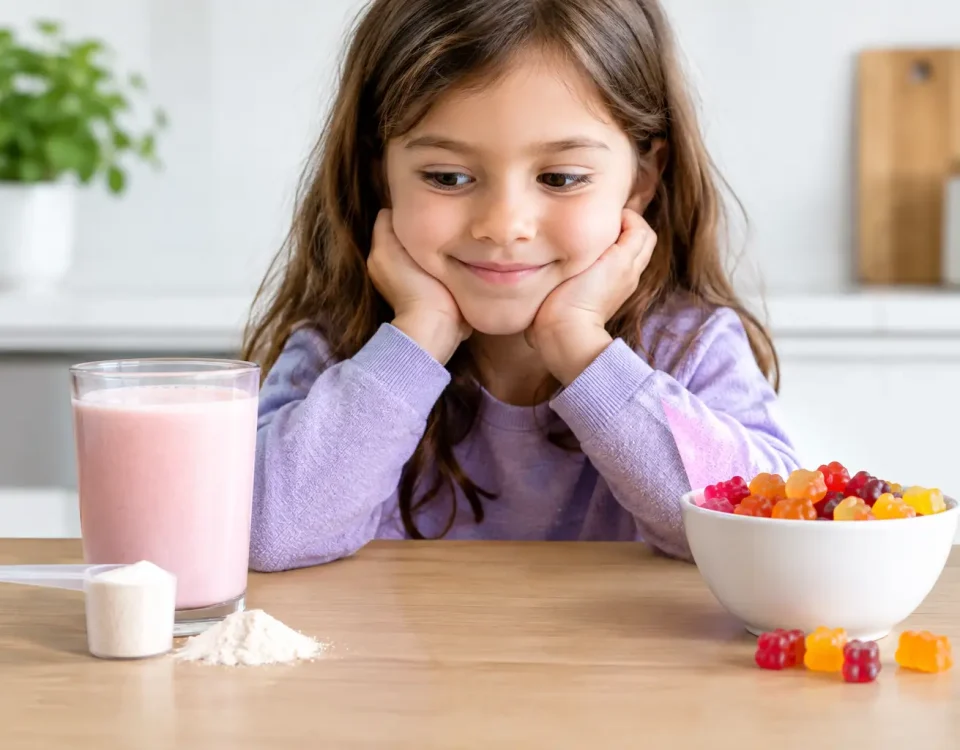
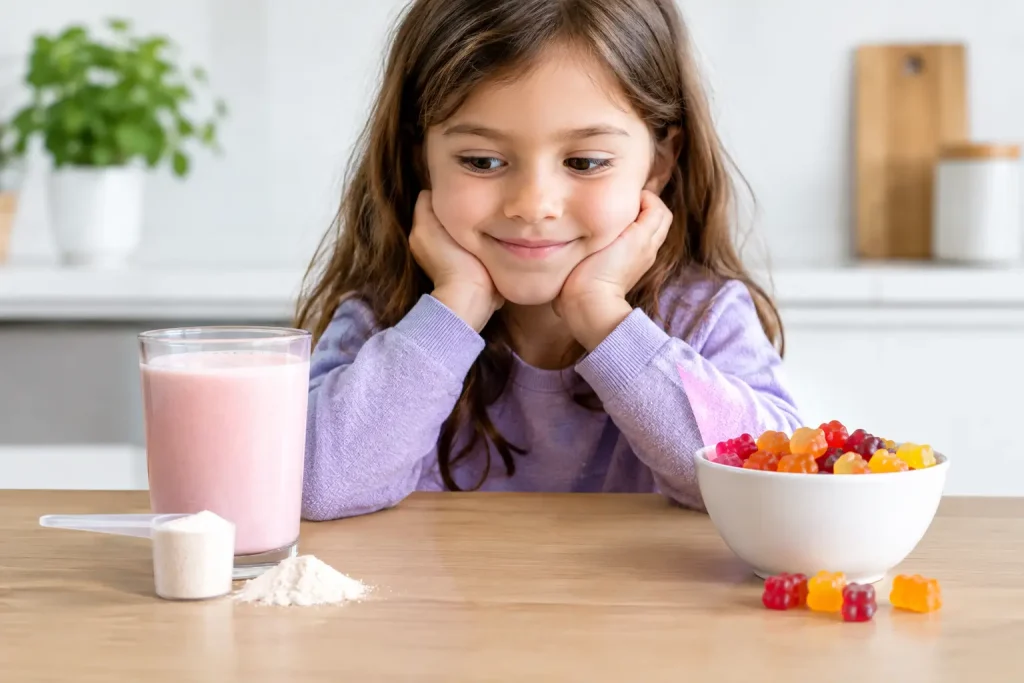
This approach is often most helpful when a child has a highly restricted diet, rejects chewable vitamins or gummies, notices fortified drinks, or becomes distressed by visible changes in food. It can also be a strong fit for families who want cleaner ingredients and do not want to rely on sugary, brightly colored products just to fill basic gaps.
It is also useful for parents who are simply exhausted. If every dinner has become a negotiation and every grocery trip feels like another failed experiment, a low-conflict nutrition plan can restore some stability. That emotional relief matters. Parents function better when they are not carrying constant fear about what their child is missing.
This is where an invisible, whole-food option can fit naturally. InviNutri is built around that exact reality – helping parents add foundational nutrition to foods their children already eat, without pushing taste, texture, or compliance battles. For families who have tried the usual advice and found it did not match their child, that kind of support can feel less like a supplement and more like a daily safety net.
What to watch for as you begin
Pay attention to acceptance first. If your child suddenly refuses a formerly safe food, pause and reassess. The issue may be the amount, the mixing method, the temperature, or simply that this was not the right food to trial.
It also helps to keep expectations grounded. You may need to test more than one safe food before you find the right fit. A child who rejects a blended yogurt may still accept fortified oatmeal. Another child may do fine with warm foods but notice changes instantly in cold ones. Small adjustments can make a big difference.
If your child has medical concerns, growth concerns, or a very limited diet, involving a pediatrician or feeding specialist is still wise. Adding nutrition to safe foods can be part of a broader plan, not a replacement for professional support when it is needed.
A calmer way to think about nutrition
Parents of selective eaters are often handed feeding advice that assumes flexibility, curiosity, and low anxiety around food. Many kids do not start there. When they do not, families need strategies built for reality, not ideals.
Adding nutrition to safe foods is not about tricking your child or lowering the bar. It is about meeting your child where they are while still caring for what their body needs. That is thoughtful parenting. That is responsive parenting. And for many families, it is the first thing that makes nutrition feel possible again.
If your child has only a handful of reliable foods right now, you do not need to turn every meal into a lesson or a battle. Sometimes the kindest next step is also the most practical one – protect the foods that feel safe, and build support from there.