Can Picky Eating Cause Deficiencies?
April 15, 2026
Child Nutrition Safety Guide for Picky Eaters
April 19, 2026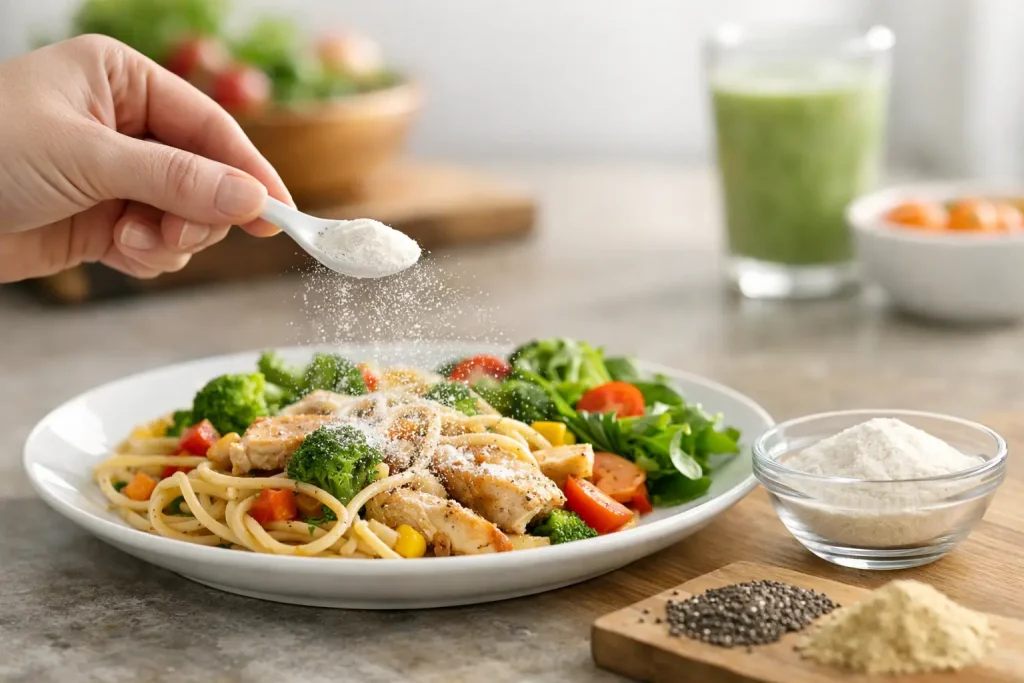
If you are searching for how to add nutrients invisibly, there is a good chance you are not looking for gourmet ideas or perfect lunchbox inspiration. You are looking at a child who eats six foods, rejects anything new on sight, and can spot one tiny change from across the room. You are trying to protect nutrition without starting another battle. That makes sense.
For many families, especially those navigating extreme picky eating, sensory sensitivities, ADHD, ASD, or ARFID-related feeding challenges, the usual advice falls apart fast. Just keep offering vegetables. Make food fun. Get them involved in cooking. Sometimes those ideas help. Sometimes they make an already hard situation feel worse. When eating is fragile, pressure and visible change can backfire.
Invisible nutrition is not about tricking your child or ignoring their needs. It is about working within their limits while lowering nutritional risk. Done carefully, it can create a little breathing room. It can help you support your child without turning every meal into a negotiation.
What how to add nutrients invisibly really means
At its best, invisible nutrition means adding supportive nutrients to foods your child already accepts without changing the taste, texture, smell, or appearance in a noticeable way. The goal is not to transform mac and cheese into a salad. The goal is to preserve safety foods while making them work harder.
That distinction matters. Many picky eaters, especially sensory-sensitive kids, do not reject food because they are stubborn. They reject it because their nervous system detects change as risk. A sauce that looks slightly darker, yogurt that feels thicker, or pancakes that smell different can be enough to lose a food entirely. So the standard for invisibility has to be high.
This is why parents often feel defeated after trying common hacks like hiding spinach in smoothies or cauliflower in mashed potatoes. Those ideas can work for some children, but for others they are instantly detectable. If your child notices everything, that does not mean you failed. It means their sensory threshold is different, and your strategy has to match it.
Start with safe foods, not ideal foods
When parents think about how to add nutrients invisibly to meals, they often start by asking what food should be healthier. A more useful question is which foods are safest and most consistent. Those are your best entry points.
Safe foods are predictable. Your child already trusts them. That trust is valuable, so protect it. Choose foods with a stable flavor and texture that can handle a very small addition without becoming obvious. Think plain yogurt, applesauce, oatmeal, pasta sauce, pancake batter, smoothies if your child already drinks them, or familiar baked goods.
If a food is only barely accepted, it is usually not the place to experiment. A child who eats one specific brand of vanilla yogurt may notice a tiny change and refuse it for weeks. A child who happily eats oatmeal every morning may give you more room, but only if the texture stays exactly right. It depends on the child, the food, and how narrow that food rule is.
The biggest mistake is adding too much too fast
Most invisible nutrition efforts fail for one reason. The change is too big.
Parents are understandably trying to make up for a lot. If your child has been living on crackers, noodles, and a handful of fruit, the urge to add as much nutrition as possible is strong. But when the amount changes the taste or texture, even slightly, you can lose the whole food.
Start smaller than you think you need to. Then stay there long enough to see whether your child notices. If they do not, you can consider a gradual increase later. If they do, back off right away. Protecting acceptance is more important than chasing a perfect dose on day one.
This approach can feel slow, but slow is often what makes it sustainable. One tiny invisible step repeated daily does more than one ambitious attempt that leads to rejection.
Texture is usually the dealbreaker
Parents often focus on flavor first, but texture is usually where things fall apart. A child may tolerate a mild change in taste and still refuse a food because it feels grainy, thicker, chalkier, or less smooth.
That means the form of what you add matters as much as the nutrition itself. Powders need to dissolve cleanly. Purees need to blend fully. Mix-ins need to disappear, not just be small. Even good ingredients can fail if they leave behind a mouthfeel your child picks up right away.
This is one reason traditional supplements do not work well for many selective eaters. Gummies are visible. Chewables have flavor. Liquid vitamins can leave an aftertaste. Many powders are sweet, artificial-tasting, or gritty. For a child with sensory sensitivities, that is often an immediate no.
Choose additions that respect sensory boundaries
If you want invisible nutrition to last, it has to respect the foods your child relies on and the way they experience eating. That usually means looking for options that are as neutral as possible.
Whole-food nutrition powders can help here, but only if they are truly designed for invisibility. Many are not. Some are packed with sweeteners, dyes, or synthetic ingredients that make them harder to tolerate. Others technically mix in, but still change the color or taste enough that a selective eater notices.
A better fit is a clean-label powder made to disappear into foods children already eat, without turning the meal into a supplement experience. For families who need a daily safety net rather than another fight, this can be far more realistic than trying to push visible health foods or force a child to take vitamins they already hate. That is the idea behind InviNutri and the broader concept of Child Nutrition Safety – not perfection, not pressure, just reliable support in real life.
Where invisible nutrients tend to work best
Some foods naturally hide change better than others. Thicker, familiar foods usually give you the best odds. Applesauce and yogurt can work well if the color stays the same and the texture remains smooth. Oatmeal can hold additions, but only if your child is not highly sensitive to thickness. Pasta sauce can mask some flavor, though visually sensitive kids may notice even a slight shift. Pancake or muffin batter can be a good option when the final result still looks and tastes familiar.
Smooth foods tend to be easier than crunchy ones. Strongly preferred foods are often better than occasional foods. And foods your child eats regularly are usually more useful than foods they only accept in certain moods.
Still, there is no universal best choice. Some children detect anything mixed into yogurt but will accept it in oatmeal. Others are the opposite. You are not looking for the most nutritious vehicle on paper. You are looking for the one your child will continue eating.
Be careful with the word hidden
Parents often use the phrase hiding nutrients, and that is understandable. But emotionally, many families do better when they think in terms of support rather than concealment.
If your child is highly sensitive, the priority is not outsmarting them. It is reducing friction while keeping food safe and predictable. Some families are comfortable quietly adding support to accepted foods. Others prefer to say something simple like, this helps your body, without making it a discussion. The right approach depends on your child, your values, and whether transparency increases anxiety or builds trust.
There is not one perfect rule. What matters is staying respectful and keeping mealtimes calm.
Progress should look boring
When invisible nutrition is working, it may not look dramatic. You may not see your child suddenly asking for broccoli or trying ten new foods. The real wins are often quieter.
Maybe breakfast gets a little more coverage. Maybe you feel less panicked about a beige-food week. Maybe you stop spending so much energy trying to force change your child is not ready for. Maybe meals feel less loaded, because not every bite has to carry the full weight of your nutrition worries.
That kind of progress counts. For many families, it is the difference between living in constant fear about what their child is missing and having a realistic plan that fits the child they actually have.
When invisible nutrition is not enough on its own
Invisible support can be incredibly helpful, but it is not a complete answer for every child. If your child has very limited intake, poor growth, chronic constipation, fatigue, significant weight concerns, or suspected nutrient deficiencies, more support may be needed. Some children benefit from feeding therapy, medical evaluation, or targeted nutrition guidance.
Using invisible nutrition is not giving up on food variety. It is simply acknowledging that while broader progress is unfolding, your child still needs support now. Those two things can exist together.
If you have been carrying a lot of guilt around feeding, this is the part worth holding onto. Meeting your child where they are is not settling. It is wise, responsive parenting. And sometimes the most loving thing you can do is make nutrition feel a little less visible, a little less stressful, and a lot more possible.