Child Vitamins for Picky Eaters That Actually Fit
September 22, 2026
The 7 Best Ways to Serve Fortified Safe Foods
September 26, 2026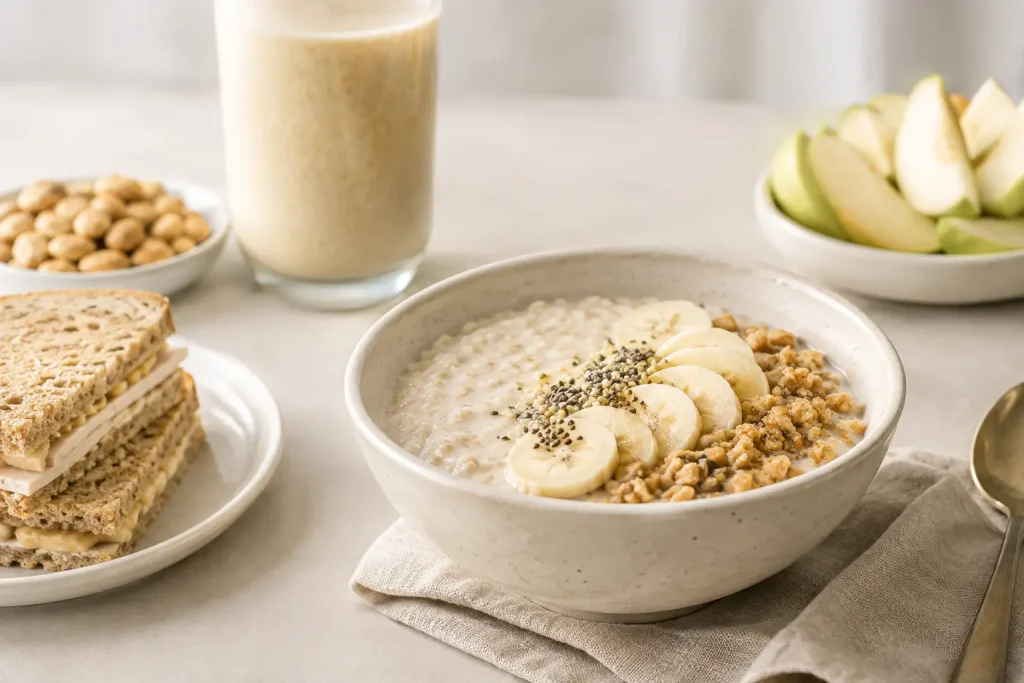
The plate may be mostly pale: toast, crackers, plain pasta, chicken nuggets, waffles, fries. If you are searching for meal ideas for beige eaters, you are probably not looking for another lecture about hiding vegetables or making a child sit at the table until they try one bite. You are looking for food your child may actually accept, and a little relief from the constant worry that can come with a restricted diet.
Beige eating is not a parenting failure. For many children, especially those with sensory sensitivities, autism, ADHD, anxiety, or ARFID-related feeding challenges, familiar foods feel predictable. Their color, smell, temperature, texture, and brand may all matter. A food that looks simple to an adult can feel safe to a child whose nervous system is already working hard.
The goal is not to turn every meal into a nutrition project. It is to build satisfying meals around safe foods, protect trust at the table, and create small opportunities for nourishment without turning dinner into a test.
What counts as a real meal for a beige eater?
A real meal does not need to look balanced in the picture-perfect sense. It needs to be filling, familiar enough to be eaten, and manageable for your family. A plate of plain buttered noodles with a favorite protein and a preferred fruit pouch may be far more useful than a colorful meal that creates panic and ends up untouched.
Start with one dependable carbohydrate or starch, then add a familiar protein, dairy or dairy alternative, fruit, or another accepted side when possible. Not every category has to appear at every meal. Over the course of days, small wins add up.
It also helps to separate two goals that often get tangled together: feeding your child enough today and helping them become more flexible over time. Both matter. But a child who is hungry, overwhelmed, or under pressure is rarely in a good place to practice something new.
Meal ideas for beige eaters, built from familiar foods
These ideas are intentionally simple. Think of them as starting points, not rules. Keep components separate if mixed foods are a no. Use the brand, shape, and preparation your child already trusts whenever you can.
- Buttered pasta plate: Plain pasta with butter or a mild sauce on the side, plus shredded chicken, a cheese stick, or a familiar nugget. Add a fruit pouch, applesauce, or peeled pear slices if accepted.
- Breakfast-for-dinner tray: Waffles, pancakes, or French toast with scrambled eggs, yogurt, or sausage links. Some children prefer each item not touching, and that is completely okay.
- Deconstructed grilled cheese: Toasted bread, melted cheese, and turkey or chicken served separately. This can feel less demanding than a sandwich with unfamiliar layers inside.
- Baked potato meal: A plain baked potato or potato wedges with butter, cheese, sour cream, or a favorite dip. Pair it with a reliable protein such as chicken tenders, scrambled eggs, or beans if beans are already safe.
- Plain rice bowl: White rice with a small portion of chicken, tofu, or egg on the side. For children who like crunch, offer crackers or puffed snacks alongside rather than trying to force vegetables into the bowl.
- Snack plate dinner: Crackers, cheese cubes, pretzels, deli turkey, yogurt melts, fruit snacks, or accepted fruit. This is often a practical option on hard days, not a lesser meal.
- Pizza night with a safe base: Cheese pizza, flatbread, or English muffin pizza can work well. If toppings are difficult, serve a plain portion first and keep anything new separate and optional.
- Mac and cheese with a familiar side: Serve the mac and cheese exactly as your child expects it. A safe side might be nuggets, plain peas if tolerated, applesauce, or milk.
The best choice depends on what your child currently eats. If their safe foods are mostly crunchy, changing from crunchy crackers to soft pasta may be a much bigger leap than it appears. If they only eat foods at a certain temperature, even a leftover version of a favorite meal may not feel familiar enough. Respecting those details is not giving in. It is using the information your child is giving you.
Make one small change, not five
When parents are worried about nutrition, it is understandable to want to improve everything at once. But big changes can backfire with highly selective eaters. A better approach is to keep most of the meal safe and make one tiny adjustment only when your child has the capacity for it.
That adjustment might be using a new pasta shape that has a similar texture, cutting toast into a different shape, offering a dip in a separate cup, or placing a pea-sized sample of a related food nearby. There is no requirement that your child taste it. Looking at it, tolerating it on the table, or letting it stay on the plate can be progress.
Food chaining can be especially helpful here. If your child eats one kind of cracker, try another cracker with a similar crunch before moving toward breadsticks or toast. If they eat chicken nuggets from one restaurant, a similar frozen nugget may be a more realistic next step than grilled chicken. The path to variety is often sideways, not forward.
Add nutrition without changing the safe food experience
For families managing very limited diets, nutrition support can be a practical safety net. The key is choosing approaches that do not create a new sensory problem or turn trusted foods into a source of suspicion.
Use only additions that preserve the taste and texture your child expects, and avoid changing every safe food at once. If you are trying an invisible nutrition powder, begin with a food that is already soft or mixed, such as oatmeal, yogurt, pancake batter, mac and cheese, or a smoothie your child reliably accepts. Start with a small amount if that helps you feel more confident, then watch for any change in texture or your child’s response.
InviNutri was designed for this exact reality: whole-food nutrition that blends into foods children already eat, without adding a sugary, chalky, or brightly colored supplement battle to the day. It is not a replacement for feeding support or a varied diet when variety becomes possible. It can, however, help reduce the pressure on a single meal to do everything.
If your child has food allergies, medical conditions, growth concerns, or an extremely narrow diet, bring a pediatrician, registered dietitian, or feeding therapist into the picture. Support is especially valuable when eating causes distress, weight changes, pain, gagging, or fear. You do not have to wait until things feel unbearable to ask for help.
Protect the table from becoming another battleground
A calm meal may not always look successful from the outside. Your child may eat only the crackers. They may inspect the new food and push it away. They may need the same dinner three nights in a row. None of that means you are failing.
Try to serve what you can, include at least one reliable food, and let your child decide whether and how much to eat from what is offered. Avoid bargaining, surprise ingredients that change a trusted food, or comments about being good, brave, or picky. Even well-meant pressure can make a child feel watched when eating already feels hard.
You can describe food without selling it: “The toast is crunchy.” “The cheese is melted.” “The sauce is in the little cup if you want it.” This keeps the invitation open while letting your child stay in control of their body.
On the nights when the menu is beige, remember what may be happening beneath the surface: your child is eating something predictable, your family is getting through dinner with less conflict, and you are learning what helps them feel safe. That is not a small thing. It is a foundation you can build on, one familiar bite at a time.