Are Gummy Vitamins Enough for Kids?
June 28, 2026
Best Clean Nutrition for Toddlers That Works
July 2, 2026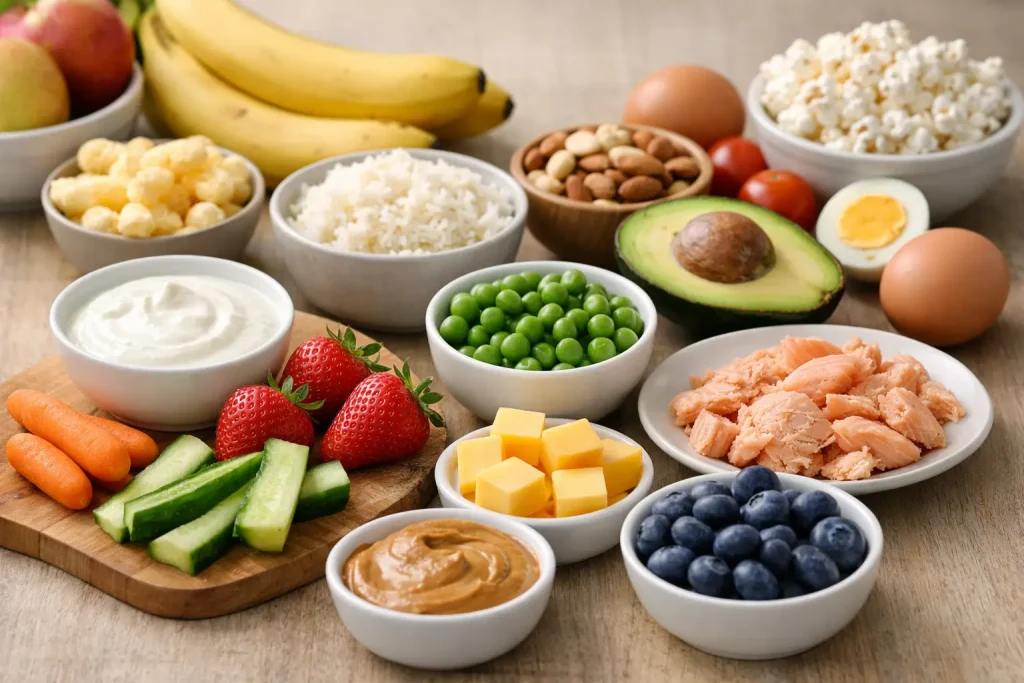
Some kids will eat the same cracker brand for months, then reject a new box because the shape looks slightly different. If that sounds familiar, you are not dealing with stubbornness. When parents search for the best foods for sensory eaters, they are usually not looking for Pinterest-perfect lunches. They are looking for foods their child can actually tolerate, accept, and return to without a fight.
That changes the conversation.
For sensory eaters, the “best” food is not always the one with the most nutrients on paper. It is the one that feels safe enough to get eaten. Texture, temperature, smell, color, moisture, and even tiny variations between batches can matter more than adults expect. A child may refuse yogurt because it is cold and slippery, avoid mixed dishes because the textures touch, or prefer crunchy foods because they feel predictable. None of that is random. It is sensory information, and some kids experience it more intensely than others.
What makes the best foods for sensory eaters actually work
The best foods for sensory eaters tend to have one thing in common: consistency. Predictable foods lower stress. When a child knows exactly what a food will feel like in their mouth, smell like, and look like, they are more likely to say yes.
That is why beige, crunchy, plain foods often become “safe foods.” Parents get judged for serving them, but there is usually a real reason behind the pattern. Crunch can feel organized. Smooth textures can be easier for some kids, while mushy or mixed textures can feel overwhelming. Strong smells can shut a meal down before it starts.
This is also where a lot of standard feeding advice falls apart. “Just keep offering vegetables” may sound simple, but if the food feels threatening to a child’s nervous system, repeated pressure rarely helps. A better starting point is to work with sensory preferences, not against them.
12 best foods for sensory eaters
There is no universal list that works for every child, but some foods tend to be easier to accept because they are mild, familiar, and consistent. The goal is not perfection. It is building a reliable base.
1. Crackers
Crackers are often a strong safe food because they are dry, crisp, and predictable. They usually have a mild smell and do not change much from bite to bite. For kids who seek crunch or dislike wet textures, crackers can feel manageable.
2. Toast
Toast works well because you can control the level of crispness. Lightly toasted bread may suit one child, while another wants it very crunchy. Plain toast can also be less threatening than bread with visible spreads or toppings.
3. Plain pasta
Plain pasta is a common win for sensory eaters because it is soft, familiar, and neutral. Shapes matter more than many adults realize. A child may only eat one specific noodle type because the mouthfeel is different.
4. Rice
Rice can work for kids who prefer separate foods and small bites. It is simple and usually mild in flavor. That said, some children dislike loose grains, so this one depends on whether the texture feels orderly or irritating.
5. Applesauce or smooth fruit puree
For kids who prefer smooth textures, applesauce can be easier than whole fruit. It removes the surprise of peel, stringiness, seeds, or uneven ripeness. Temperature matters here too. Some children only accept it cold, while others prefer room temperature.
6. Yogurt, if smooth textures are preferred
Yogurt is tricky because some kids love it and others cannot tolerate it at all. If a child accepts creamy foods, smooth yogurt can be useful because it is soft, mild, and easy to keep consistent. If they dislike cold, tangy, or slippery foods, it may be a hard no.
7. Chicken nuggets or simple baked chicken
Protein is often one of the harder areas for selective eaters, so familiar chicken options can become an anchor food. Breaded nuggets tend to succeed because the outside is crisp and the flavor stays predictable. Plain baked chicken may work for some kids, but many find it too variable.
8. French fries or roasted potato wedges
Potatoes are often accepted because they are bland and filling. Crispy fries can feel safer than mashed potatoes, which many sensory eaters find too soft, sticky, or inconsistent.
9. Dry cereal
Dry cereal is a common favorite for the same reason crackers work. It is crunchy, mild, and easy to eat piece by piece. Many kids who refuse cereal with milk will happily eat it dry.
10. Cheese sticks or sliced mild cheese
Some children do well with cheese because it has a familiar flavor and comes in easy portions. Others reject it because of the smell or chew. If cheese works, keeping the brand and format consistent often helps.
11. Bananas
Bananas can be great for some sensory eaters and impossible for others. The appeal is the mild flavor and soft texture, but ripeness changes everything. A child may only eat bananas at one exact stage and reject them the next day.
12. Smoothies, if texture can stay very consistent
Smoothies can sometimes help, especially for kids who tolerate drinks better than solid foods. But they only work if the texture stays smooth and the flavor does not shift too much. A lumpy smoothie or a new ingredient that changes taste slightly may end the experiment fast.
Why sensory-safe foods still matter even when they are not “ideal”
Parents often feel trapped between two bad options: serve the foods their child will eat and worry about nutrition, or push more variety and end up with tears, refusal, and a child who eats even less. That is a painful place to live.
But safe foods are not the enemy. They are often the bridge. A child who feels regulated enough to eat something is in a better place than a child who feels pressured and shuts down. Eating is a full-body sensory experience, not just a nutrition decision.
That does not mean nutrition stops mattering. It means the path to better nutrition may need to look different. Sometimes the first step is protecting intake and reducing conflict. Then, over time, you can build from there.
How to make the best foods for sensory eaters more nourishing
The gentlest strategy is usually the most sustainable one. Instead of trying to overhaul your child’s diet overnight, look for ways to support nutrition around the edges of what already feels safe.
You can keep accepted foods available and consistent. You can serve small portions of new foods nearby without pressure to taste. You can pay attention to patterns like preferred temperature, crunch level, color, or brand. Those details are not small to a sensory eater.
And when variety stays extremely limited, nutrition support may need to be more practical than aspirational. That is where many families look for ways to add coverage without changing the taste, texture, or appearance of the foods their child already accepts. For some parents, an invisible whole-food option like InviNutri becomes less about “getting kids to eat healthy” and more about lowering daily risk while meals stay calm.
That distinction matters. A nutrition safety net is not giving up. It is responding to reality with something workable.
Foods to be careful with when your child has sensory sensitivities
It helps to know that some foods are harder for sensory eaters not because they are unhealthy, but because they are unpredictable. Mixed foods like casseroles, soups, and stir-fries can be especially tough because every bite feels different. Stringy meats, fibrous vegetables, fruit with skins, and foods with hidden chunks often create immediate resistance.
Strong smells can also derail progress. Eggs, fish, steamed vegetables, and certain cheeses may be nutritious, but if the scent feels intense, a child may reject them before they even reach the table.
That does not mean these foods are off-limits forever. It just means they may not be your starting point.
What parents need to hear most
If your child eats a narrow range of foods, you have probably heard advice that sounds simple but feels impossible in your kitchen. Offer more variety. Stop catering. They will eat when they are hungry. For sensory eaters, those ideas can create more fear, more conflict, and less intake.
A better question is this: what helps your child feel safe enough to eat?
Sometimes that means serving the same food again. Sometimes it means buying the exact brand they trust. Sometimes it means letting plain pasta count as dinner for now while you protect the relationship around food and find quiet ways to support nutrition in the background.
You do not need to force a child past their sensory boundaries to make progress. You need a plan that respects those boundaries and still takes nutrition seriously.
The best foods for sensory eaters are the ones your child can return to with less fear, less resistance, and more consistency. Start there, trust what you are observing, and let calm be part of the nutrition plan too.