12 Best Foods for Sensory Eaters
June 30, 2026
ASD Mealtime Stress Solutions That Help
July 5, 2026
Some toddlers will eat roasted broccoli one day and refuse every green food for the next three weeks. Some live on beige foods, demand the same snack in the same bowl, or shut down when a texture feels wrong. If you are searching for the best clean nutrition for toddlers, you are probably not looking for perfection. You are looking for something that feels safe, realistic, and good enough to trust.
That distinction matters. A lot of nutrition advice assumes toddlers are curious eaters with flexible routines and endless patience for new foods. Many parents know that is not real life. Real life is a child who only accepts five foods, melts down at dinner, or rejects anything that looks healthy. Real life is wondering whether your child is getting what they need while trying not to turn every meal into a fight.
What best clean nutrition for toddlers really means
Clean nutrition can sound simple until you are standing in a store aisle reading labels that all promise wellness. For toddlers, clean nutrition usually means fewer unnecessary extras and more meaningful ingredients. Parents often want foods or supplements without added sugar, artificial dyes, synthetic flavors, or a long list of fillers that do not support the child in any practical way.
But clean is not just about what is left out. It is also about what makes daily nutrition easier to sustain. A perfectly pure option that your toddler refuses every time is not actually helping. The best clean nutrition for toddlers has to work in real homes, with real sensory preferences, limited attention spans, and parents who are already carrying too much.
That is why clean nutrition for this age group is less about chasing a trend and more about reducing risk. You are trying to create a steady baseline. Maybe your toddler eats fruit but no vegetables. Maybe they accept crackers, yogurt, and noodles, but protein is hit or miss. Maybe sensory sensitivity makes any new texture feel impossible. In those cases, the goal is not a flawless plate. The goal is dependable coverage with as little conflict as possible.
Whole foods first, but not whole foods only
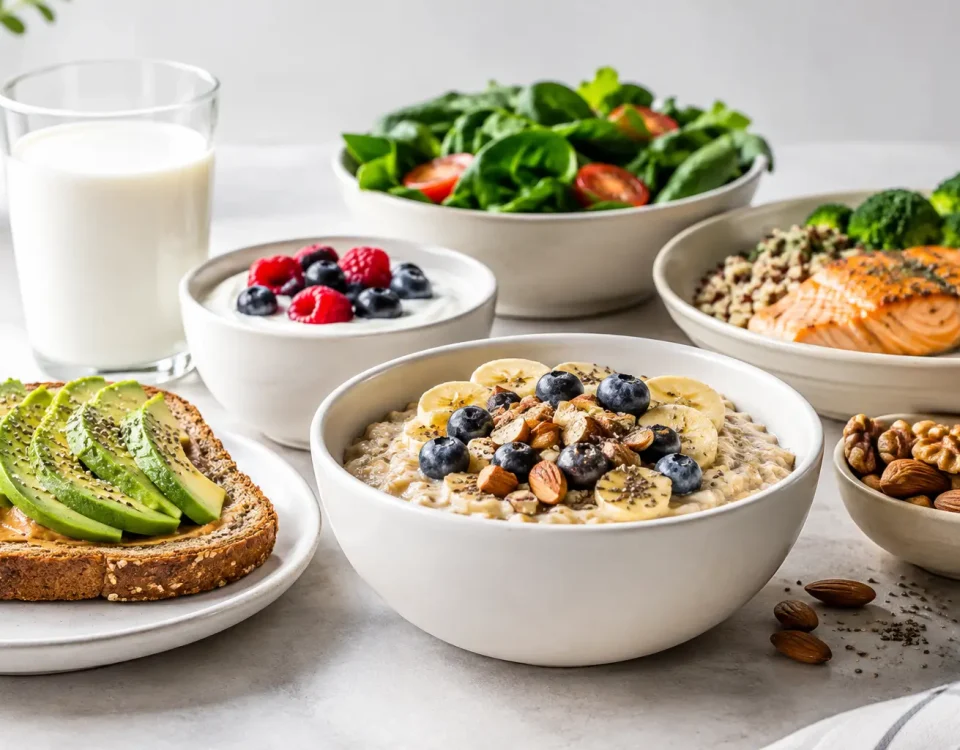
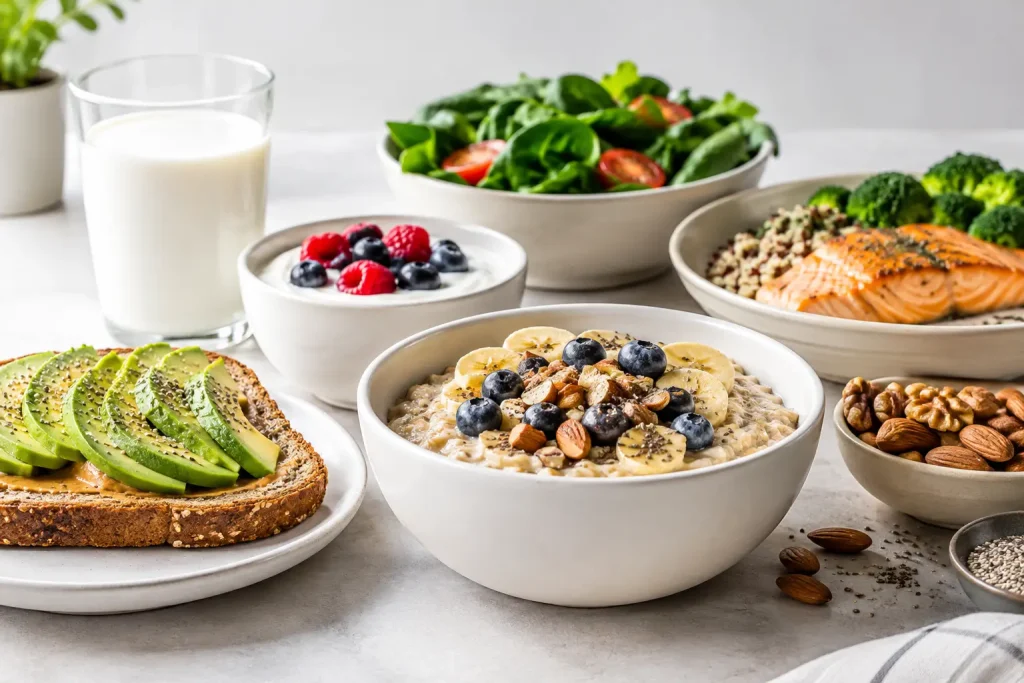
Most parents hear the same advice over and over: offer a variety of whole foods, repeat exposure, and trust the process. That advice is not wrong. Toddlers benefit from meals built around familiar proteins, fats, fruits, vegetables, grains, and dairy or dairy alternatives when tolerated. Repeated exposure can help, and low-pressure meal routines matter.
Still, there is a gap between ideal advice and a child who will only eat buttered pasta and one brand of waffle. When that gap goes on for weeks or months, whole foods first can start to feel like whole foods only, and that is where many families get stuck. They begin to feel like they are failing because the standard solution does not fit their child.
A better approach is to keep whole foods as the foundation when possible, while also allowing practical support when needed. That might mean using accepted foods more strategically, enriching favorite meals, or adding clean nutrition support that blends into routines your child already tolerates. This is not giving up on healthy eating. It is adapting healthy eating to your child’s actual nervous system and feeding reality.
When picky eating is more than a phase
Some toddlers are simply cautious eaters. Others have patterns that are more intense and persistent. If your child has a very short food list, strong texture aversions, extreme distress around meals, or rigid preferences tied to sameness, it may not be typical pickiness. Sensory sensitivities, neurodivergence, and ARFID-related feeding challenges can all shape how a child experiences food.
That does not mean your child is broken, and it does not mean you caused it. It means standard feeding advice may not be enough on its own. In those cases, the best nutrition plan is one that respects the child’s boundaries while still protecting their intake where you can.
How to judge clean toddler nutrition without getting lost in marketing
Parents are asked to evaluate too many products with too little clarity. A package can say natural and still be packed with sugar. It can say made for kids and still rely on artificial colors or ingredients that do not match what families actually want.
A better filter is to ask a few grounded questions. Are the ingredients recognizable and food-based where possible? Is there added sugar? Are there dyes, sweeteners, or synthetic extras you do not want in your child’s routine? Most importantly, is this something your child will realistically accept day after day?
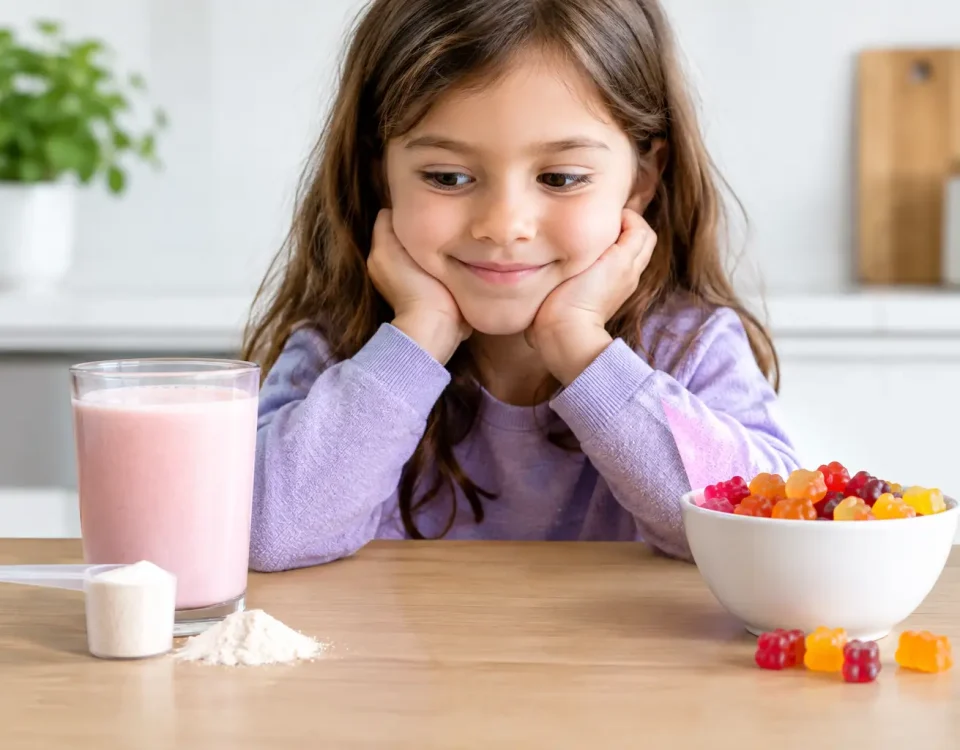
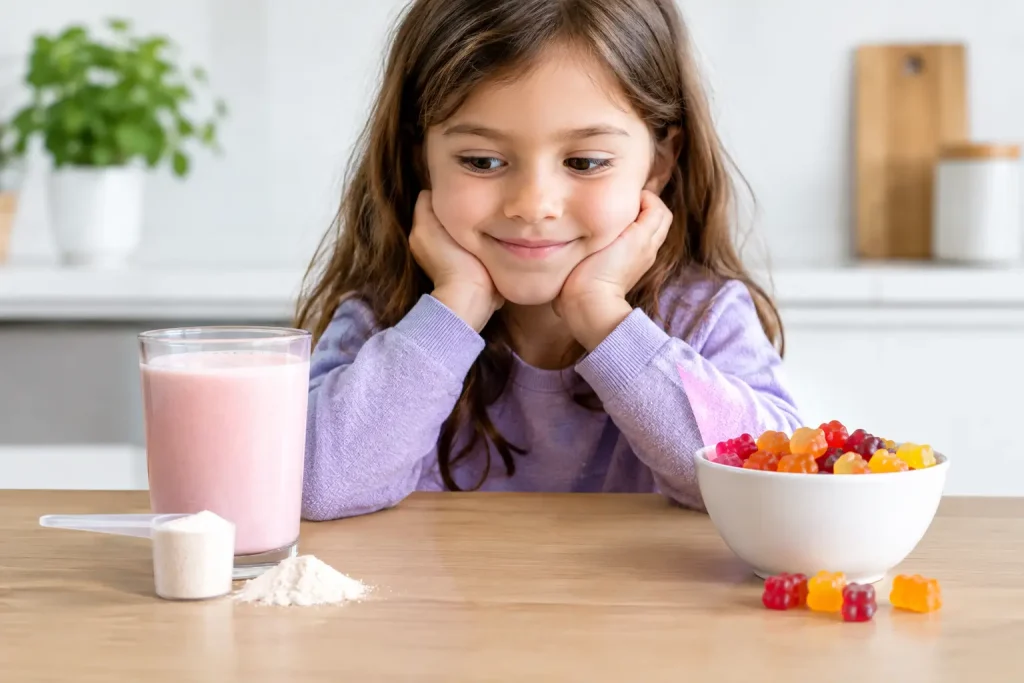
That last question is where many products fall apart. Gummies may seem kid-friendly, but they often bring sugar, flavoring, and a candy-like experience that some parents do not want to normalize. Chewables can still be rejected for taste or texture. Liquid supplements can have a strong smell or aftertaste. Even high-quality options are not useful if your child refuses them.
For many families, especially those dealing with selective eating or sensory issues, invisible support is what changes the game. If clean nutrition can be mixed into foods a child already eats without changing taste, texture, or appearance, it stops being another battle. It becomes part of the routine instead of another thing to negotiate.
Best clean nutrition for toddlers in real life
In real life, the best option often looks less impressive on paper and more sustainable at the table. It might be full-fat yogurt with fruit because that is one of the few accepted foods with protein and fat. It might be oatmeal made richer with nut butter or seeds if tolerated. It might be a favorite smoothie, muffin, applesauce, or pasta sauce used as a safe place to add more nutrition.
This is where parents deserve more compassion. There is a lot of pressure to serve picture-perfect meals and act like toddlers will just come around if we stay calm enough. Sometimes they do. Sometimes they do not. When a child has a restricted diet, a smart nutrition plan focuses on what is consistently accepted and builds from there.
That may include a clean-label whole-food nutrition powder used as a daily safety net. For families who have tried everything and still cannot close the gap with regular food alone, this kind of support can reduce stress in a very practical way. One option in this space is InviNutri, which was built around the idea of Child Nutrition Safety and designed to disappear into foods kids already eat. For the right family, that matters more than flashy claims because it lowers the odds of another failed supplement.
What matters more than perfect meals
Toddlers do not need perfect meals every day. They need enough consistency over time. Energy, growth, mood, sleep, and development all benefit from a solid nutritional baseline, but that baseline can be built in different ways depending on the child.
For one toddler, clean nutrition may mean a broad whole-food diet with simple snacks and minimal processed foods. For another, it may mean three safe foods, repeated often, with strategic support added quietly behind the scenes. Both situations can be valid. Both can be loving. And only one of them is likely to fit your child.
Red flags in toddler nutrition products
A product deserves extra scrutiny if it leans heavily on sugar to earn compliance, uses bright dyes, makes dramatic promises, or turns nutrition into a reward. Toddlers are especially sensitive to taste, texture, and routine, so products that chase instant appeal can create new problems even when they solve one old one.
There is also a trade-off between ingredient purity and usability. Some products are technically clean but so gritty, chalky, or strong-smelling that they end up in the trash. Others are easy to take but padded with sweeteners and unnecessary extras. The better choice is usually the one that balances ingredient quality with true day-to-day acceptance.
A calmer standard for feeding your toddler
If you have been trying to find the best clean nutrition for toddlers, it is okay to stop measuring yourself against families whose feeding reality looks nothing like yours. Clean nutrition is not about earning a gold star for the prettiest lunch. It is about supporting your child in a way that is gentle, realistic, and repeatable.
For some parents, that starts with offering simple whole foods more consistently. For others, it means accepting that their child needs a nutrition safety net while feeding skills continue to develop. Both paths count. What matters is choosing support that respects your child’s sensory experience and protects your peace at the same time.
If meals have become loaded with stress, you do not need more pressure. You need a plan that works quietly in the background while your child grows at their own pace.