How to Reduce Mealtime Battles With Picky Eaters
April 3, 2026
Multivitamin Powder for Toddlers That Works
April 5, 2026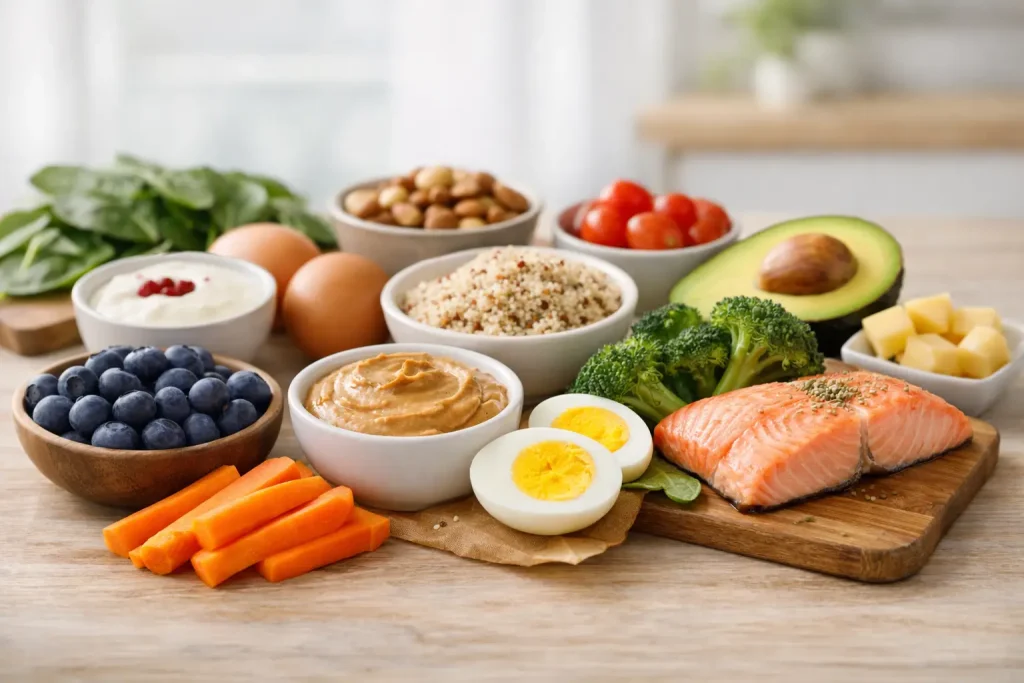
When your child will only eat five foods, advice like “just offer more variety” can feel almost insulting. For families living with extreme picky eating, sensory sensitivities, or ARFID-related challenges, finding the best nutrient dense foods for selective eaters is not about building a perfect plate. It is about lowering nutritional risk with foods your child may actually tolerate.
That distinction matters. A food can be healthy on paper and still be completely unrealistic in real life if the smell, texture, color, or unpredictability makes your child shut down. The goal is not to force “better” foods. The goal is to look for the highest nutritional payoff inside the narrow lane your child can handle right now.
What makes a food a good choice for selective eaters?
For a selective eater, nutrient density is only half the story. The other half is acceptability. If a food is rich in protein, iron, fiber, or healthy fats but never makes it past your child’s lips, it does not help you today.
That is why the best options tend to share a few traits. They are familiar, mild in flavor, consistent in texture, and easy to pair with safe foods. They also tend to deliver more than one nutritional benefit at a time, which matters when intake is limited.
A food does not need to be trendy to be useful. In many households, the most helpful foods are basic, repeatable staples that can show up in the same form again and again.
Best nutrient-dense foods for selective eaters
Full-fat yogurt
If your child accepts yogurt, it can do a lot of heavy lifting. Full-fat varieties offer calories, fat, protein, and often calcium. For kids with limited intake, that combination can be more useful than lower-fat options that fill them up without offering as much staying power.
Texture matters here. Some kids prefer very smooth yogurt, while others only tolerate drinkable versions. Plain yogurt is often the most flexible because you can keep the flavor neutral or blend in tolerated fruits. If your child rejects tanginess, this may not be a fit, and that is okay.
Eggs
Eggs are one of the most efficient foods for selective eaters because they provide protein, fat, and important micronutrients in a small portion. They also adapt well to different sensory needs. One child may only eat scrambled eggs that are soft and uniform. Another may accept hard-boiled whites but not yolks.
The catch is smell. Eggs can be a fast no for kids who are sensitive to sulfur smells or mixed textures. If that is your child, eggs may still work when baked into tolerated foods like pancakes, muffins, or waffles.
Nut and seed butters
Peanut butter, almond butter, and sunflower seed butter can add calories, fat, and some protein to foods many selective eaters already accept. They work well spread thin on toast, blended into smoothies, or stirred into oatmeal.
Sunflower seed butter is often especially helpful for families managing school restrictions or peanut avoidance. The main trade-off is texture. Some children like smooth, sticky foods, while others find them overwhelming or hard to manage. Thinning a nut or seed butter into yogurt or warm cereal can make it easier.
Avocado
Avocado is soft, mild, and rich in healthy fats, which makes it useful for kids who need more calories but eat small volumes. Some children like it plain with a spoon. Others will only accept it mashed onto toast or blended into something creamy.
Its biggest downside is inconsistency. One avocado can be perfect, and the next can be stringy or brown too quickly. For children who rely on sameness, that variation can be enough to trigger rejection.
Oatmeal
Oatmeal is often underestimated. It offers fiber, carbohydrates for energy, and a soft texture that can feel safe to many kids. It is also easy to enrich with calories and nutrients through milk, nut or seed butter, or finely blended additions.
Still, oatmeal can go wrong fast if it is lumpy, too thick, or visibly mixed with ingredients your child did not agree to. Small changes in consistency can matter more than parents expect.
Cheese
Cheese is a practical favorite because it provides protein, fat, and calcium in a familiar form. String cheese, sliced cheese, shredded cheese, and melted cheese each feel different, so one version may work even if another does not.
For some selective eaters, cheese is one of the only dependable protein foods they will eat. If sodium is a concern, balance it over the course of the day instead of assuming cheese is off the table. Reliable intake often matters more than idealized food rules.
Beans in tolerated forms
Beans offer fiber, iron, and plant-based protein, but they are not easy for every child. The skins, mixed textures, and visual variability can be tough for sensory-sensitive eaters.
Where they do work, they often work best in smoother forms. Refried beans, blended bean dips, or pureed soups are usually more approachable than whole beans. If your child already eats a dip, spread, or soft filling, this can be a gentle place to experiment.
Chicken thighs, meatballs, or shredded chicken
Protein foods are often hard for selective eaters because they can be chewy, fibrous, or unpredictable. Chicken thighs are usually softer and less dry than chicken breast. Meatballs can be easier than whole cuts because the texture is more uniform. Shredded chicken may work if it is very soft and mixed into a familiar base.
Iron matters here too, especially for kids whose diets are heavy on snack foods and light on protein. If your child only eats one or two meat forms, that still counts.
Salmon or mild fish cakes
Not every child will go near fish, but for the ones who do, salmon can provide protein and healthy fats in a small serving. Fish cakes or salmon patties sometimes go over better than a visible fillet because they are more uniform and less slippery.
This is a good example of a food that is nutrient dense but not always sensory-friendly. It depends entirely on your child’s tolerance for smell, moisture, and appearance.
Smoothies that stay consistent
Smoothies can be useful when a child accepts cold, smooth textures and does not mind foods being blended. They can combine yogurt, milk, fruit, nut or seed butter, oats, or avocado in one familiar format.
But smoothies are not automatically easy. If your child notices a tiny shift in color, thickness, or flavor, they may reject the whole thing. Consistency matters more than creativity.
How to get more nutrition into accepted foods
For most families, the biggest wins come from adding nutrition to safe foods instead of replacing safe foods. Toast may stay toast, but it can carry seed butter. Pasta may stay pasta, but it can be served with olive oil, cheese, or a smooth blended sauce. Yogurt may stay the same brand and flavor, but the portion can become more substantial.
This approach respects sensory boundaries while still improving nutritional coverage. It also reduces mealtime conflict because your child is not being asked to perform bravery every time they sit down to eat.
Sometimes even food enrichment is not enough, especially when a child’s accepted foods are extremely narrow. That is where a nutrition safety net can help. A whole-food powder designed to disappear into foods a child already eats can support daily coverage without turning meals into a negotiation. For many families, that feels far more realistic than chasing perfect variety. InviNutri was built around that reality.
What parents often worry about most
When a child eats very selectively, the concern is usually not just calories. Parents worry about protein, iron, fiber, vitamins, minerals, and whether the same beige foods can possibly be enough.
Those worries are valid. But it also helps to think in patterns instead of single meals. A child who refuses vegetables may still get helpful nutrients from fruit, oats, yogurt, eggs, beans, potatoes, or fortified staples. A child who will not eat meat may still have pathways to protein and iron, though sometimes it takes more planning.
If growth, energy, constipation, extreme restriction, or signs of deficiency are on your mind, it makes sense to bring in your pediatrician or a feeding-informed dietitian. Support is not overreacting. It is part of protecting your peace of mind.
A gentler way to think about the best nutrient-dense foods for selective eaters
The best nutrient dense foods for selective eaters are not always the foods that look healthiest to other people. They are the foods your child can reliably accept while still offering meaningful nutrition. That might be yogurt over greens, cheese over grilled chicken, or oatmeal over a multigrain breakfast bowl your child would never touch.
There is wisdom in working with reality. When you stop measuring yourself against ideal feeding advice and start building around what is safe, familiar, and sustainable, nutrition becomes less of a daily fight and more of a steady support system.
If your child’s menu is tiny, you are not failing. You are solving a hard problem in the real world, one tolerated bite at a time.