A Parent’s Guide to Feeding ARFID
May 21, 2026
What Nutrients Do Selective Eaters Miss?
May 25, 2026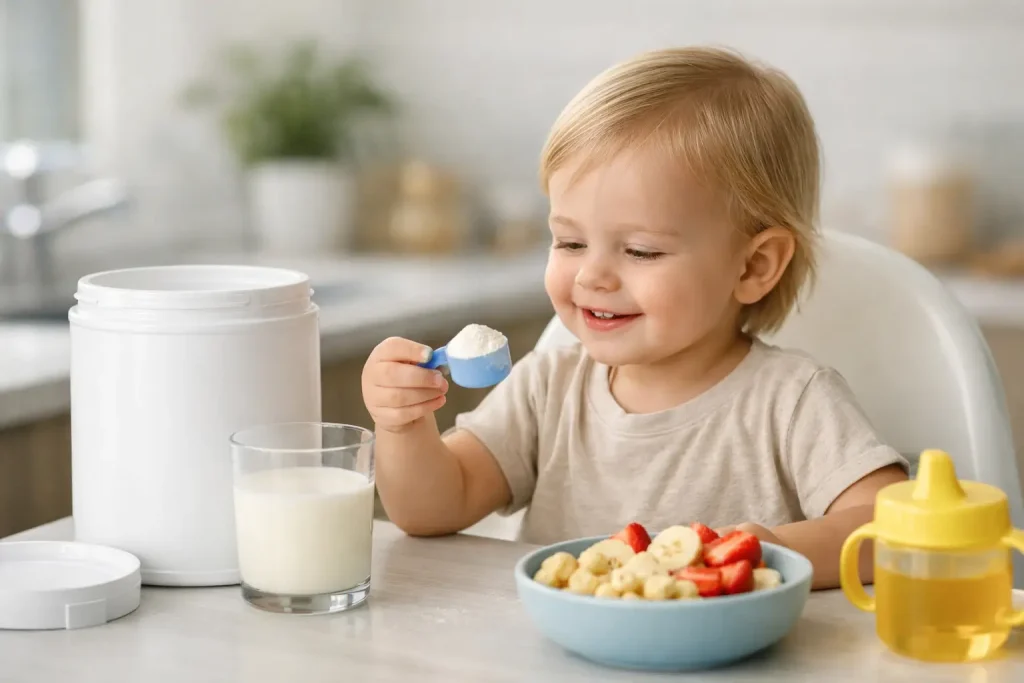
If your toddler lives on crackers, yogurt, one brand of waffles, and sheer determination, you are not the only parent asking, can toddlers have nutrition powder? It is a fair question, especially when feeding advice sounds simple on paper but completely falls apart in a real kitchen with a selective eater, a sensory-sensitive child, or a toddler who refuses anything new on sight.
The short answer is yes, some toddlers can have nutrition powder. But the better answer is that it depends on the child, the product, and the reason you are using it. A nutrition powder should not be treated like a magic fix or a replacement for meals. For many families, though, it can be a practical support tool – a way to reduce nutrition gaps when eating is inconsistent, limited, or stressful.
Can toddlers have nutrition powder safely?
For many toddlers, a well-made nutrition powder can be used safely when it is age-appropriate and used as directed. The biggest factors are ingredient quality, serving size, and whether the powder fits your child’s actual feeding situation.
Toddlers have different needs than older kids and adults. Their bodies are smaller, their nutrient needs are specific, and they can be more sensitive to added sugar, artificial ingredients, herbal blends, stimulants, and megadoses of vitamins. That is why not every powder on the market makes sense for a two- or three-year-old.
Parents often run into trouble when they assume all nutrition powders are basically the same. They are not. Some are designed like adult wellness products. Some are protein-heavy meal replacements. Some are packed with sweeteners, flavors, or trendy extras that sound impressive but do not belong in a toddler routine.
A toddler-friendly option should feel simple. It should support nutrition, not create another battle.
When a nutrition powder may actually help
If your child eats a broad range of foods most days, you may not need one. But many parents are not dealing with that version of toddlerhood.
A nutrition powder can be especially helpful when a child has a very narrow safe-food list, refuses entire food groups, goes through long food jags, or reacts strongly to changes in taste, texture, smell, or appearance. It can also help when parents are trying hard to offer variety but know their child is not actually consuming enough of that variety to count.
This is often where shame creeps in. Parents get told to just keep serving balanced meals, keep exposure positive, and trust the process. That advice is not always wrong, but it can feel painfully incomplete when your child has sensory sensitivities, feeding delays, ARFID-related patterns, or neurodivergent traits that make food acceptance much more complicated.
In those cases, a nutrition powder can serve as a safety net. Not a substitute for learning, therapy, growth, or meal exposure, but a way to lower the daily pressure while those things take time.
What kind of nutrition powder makes sense for toddlers?
The best option is usually one that blends into foods your child already accepts without changing taste or texture in a noticeable way. That matters more than many people realize.
A lot of toddlers, especially selective eaters, reject foods based on tiny sensory differences. If a powder tastes chalky, smells strong, changes the color, or creates a gritty texture, many children will spot it immediately and refuse the whole food. Once trust is broken, getting that food accepted again can take weeks.
That is why practical design matters. For families dealing with feeding stress, invisibility is not a gimmick. It is often the difference between something you can use consistently and something that sits untouched in the pantry.
A good toddler-friendly nutrition powder should also avoid unnecessary extras. In general, parents should be cautious with products that include:
- high added sugar
- artificial colors or flavors
- synthetic ingredients used mainly for marketing appeal
- large doses of nutrients far beyond toddler needs
- stimulant ingredients or adult-focused wellness blends
Whole-food-based formulas are often appealing because they feel closer to food and less like a candy supplement or sports product. That does not automatically make every whole-food powder right for every child, but it can be a better starting point for families looking for clean, simple support.
What a nutrition powder should not replace
Even if the answer to can toddlers have nutrition powder is yes, there are still limits. A powder should not replace regular meals, responsive feeding, or medical care when there is a serious concern about growth, swallowing, allergies, or nutritional deficiency.
It also should not become a reason to stop offering food variety over time. The goal is not to give up on real food. The goal is to reduce risk and stress while continuing to build a more sustainable feeding routine.
That distinction matters. Parents often feel trapped between two bad options: force the issue at meals or accept that their child is barely eating anything nutritious. A well-chosen powder can create a third option. It can help cover some bases while you keep the emotional temperature lower at the table.
For many families, that alone is powerful. Less panic changes how meals feel. And when meals feel safer, kids are often more open over time.
Signs your toddler may need extra nutrition support
Not every picky phase is a crisis. Toddlers are famous for unpredictability. But some patterns deserve a closer look.
You may want extra support if your child eats fewer than 10 to 15 foods regularly, avoids entire categories like vegetables or proteins, melts down when foods look different, loses accepted foods faster than they gain new ones, or has a diet made up mostly of beige carbs and a few preferred snacks. Parents also tend to notice the emotional signs first: constant worry, exhausting mental math about what their child did or did not eat, and the feeling that every meal has become a test nobody is passing.
That does not mean you have failed. It means the system you have been told should work may not match the child in front of you.
How to use nutrition powder without creating more conflict
The gentlest approach is usually the best one. If your child already has trusted foods, start there. Mix a small amount into something familiar and sensory-safe, like oatmeal, yogurt, applesauce, a smoothie, or another accepted soft food, depending on the product instructions.
Start low if your child is extremely sensitive. Consistency often matters more than trying to do the full amount on day one. If a child detects a difference and rejects the food, it may help to pause and try another safe food later rather than pushing through.
This is one reason many parents prefer invisible formulas. The less noticeable the change, the less likely it is to trigger food suspicion.
It is also worth staying grounded in your goal. You are not trying to trick your child into becoming a different eater overnight. You are trying to support their nutrition in a way that respects their nervous system and preserves trust.
Questions to ask before buying
A label can look healthy and still be wrong for your toddler. Before choosing a powder, ask whether it is made for young children, whether the ingredients are clean and easy to understand, whether it contains added sugar or synthetic fillers, and whether it can realistically blend into the foods your child already eats.
You should also think about your real life, not your ideal life. If a product only works in a smoothie packed with six ingredients and your child will only eat plain vanilla yogurt, that product may not be useful for your family. A good solution has to fit your child’s patterns now, not the version of feeding you wish you had.
That is part of why some parents are drawn to brands like InviNutri. The appeal is not perfection. It is practicality. When nutrition support is invisible, whole-food-based, and built for kids who notice everything, it can feel like relief instead of another fight.
So, can toddlers have nutrition powder?
Yes, they can – if the powder is appropriate for toddlers, used thoughtfully, and chosen with your child’s real feeding challenges in mind. For a child who eats widely and easily, it may not be necessary. For a child with extreme picky eating, sensory sensitivity, or a highly restricted diet, it may be one of the most useful tools you can add.
The real question is not whether a toddler should need help. Sometimes they do. The better question is whether that help makes daily life calmer, safer, and more sustainable.
If nutrition powder gives you a little more peace of mind while protecting your child’s trust around food, that is not cutting corners. That is responsive parenting in the real world.