Why Do Kids Reject Vitamins? It’s Not Defiance
July 27, 2026
Is Invisible Nutrition Actually Effective for Kids?
August 1, 2026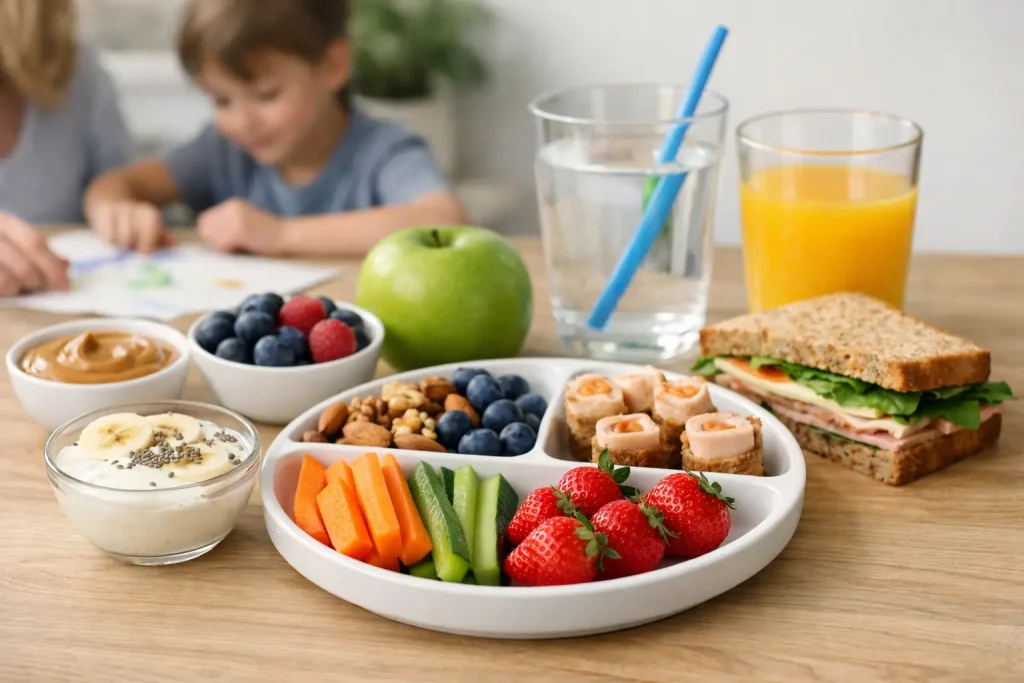
A child who eats the same beige cracker, one brand of yogurt, and exactly one kind of pasta is not giving you a hard time. They may be having a hard time. For parents searching for foods for kids with ADHD, the goal is rarely a picture-perfect plate. It is finding realistic ways to support nutrition without turning every meal into a negotiation.
ADHD can affect more than focus and energy. Some children struggle to notice hunger until they are suddenly ravenous. Others are distracted at the table, crave quick carbohydrates, reject unfamiliar textures, or eat very little while medication is active. Add sensory sensitivity or extreme picky eating, and standard advice to “just offer more vegetables” can feel painfully out of touch.
A helpful food plan starts with less pressure, not more. Your child deserves food that feels safe. You deserve a routine that does not ask you to become a short-order cook, nutritionist, and referee three times a day.
What foods for kids with ADHD can realistically do
Food does not cause ADHD, and no single diet can cure it. Be cautious of anyone promising that cutting out one ingredient or adding one “brain food” will transform your child’s behavior. ADHD is complex, and treatment decisions belong with your child’s pediatrician or qualified care team.
Still, regular nourishment matters. A child who is underfed, dehydrated, running on skipped meals, or cycling through sugar crashes may have a harder time with mood, energy, and attention. The practical aim is to create steadier opportunities for fuel across the day, using foods your child can actually tolerate.
That may look different from one family to the next. For one child, it is a predictable breakfast before school. For another, it is a filling snack packed before medication lowers appetite at lunch. For a child with a highly restricted diet, it may mean protecting their safe foods while gently strengthening the nutrition around them.
Build meals around what your child already accepts
The most useful foods are often not the foods that look impressive on social media. They are the ones your child will reliably eat.
Start with a safe food, then consider whether you can pair it with one source of protein, fat, fiber, or produce. The pairing does not need to be complicated. Crackers might sit alongside cheese. Toast can have peanut butter if that texture works. A familiar pasta can be served with a side of fruit. Yogurt may be a comfortable vehicle for oats, chia, or a nutrition powder that truly disappears into the texture your child expects.
The point is not to hide foods in a way that breaks trust. It is to work within familiar flavors and sensory boundaries when your child needs more reliable coverage than their current menu provides.
Aim for steady fuel, not food perfection
Protein, fat, and fiber can help make meals and snacks more sustaining. They do not need to appear together perfectly every time. Think in patterns across the day rather than judging each bite.
Helpful options, depending on what your child accepts, include:
- Eggs, cheese, yogurt, milk, tofu, beans, chicken, turkey, fish, nut butters, or seed butters for protein
- Avocado, olive oil, nut or seed butters, full-fat dairy, and hummus for satisfying fats
- Oatmeal, whole-grain toast, beans, berries, pears, apples, peas, and familiar vegetables for fiber
- Salmon, sardines, walnuts, chia, flax, and fortified foods as possible sources of omega-3 fats
- Bananas, oranges, grapes, melon, cucumbers, smoothies, soup, and milk to support hydration alongside water
Not every child will eat these foods, and that is not a failure. If your child’s accepted foods are mostly packaged or carb-based right now, begin there. Pairing a preferred pretzel with a tolerated cheese stick is more useful than serving a beautiful meal that goes untouched.
Make breakfast do more of the heavy lifting
Mornings can be especially hard for children with ADHD. There is time pressure, medication may affect appetite later, and many kids wake up too distracted or too tired to eat much. A dependable breakfast does not need to be large. It needs to be familiar enough that it has a real chance of happening.
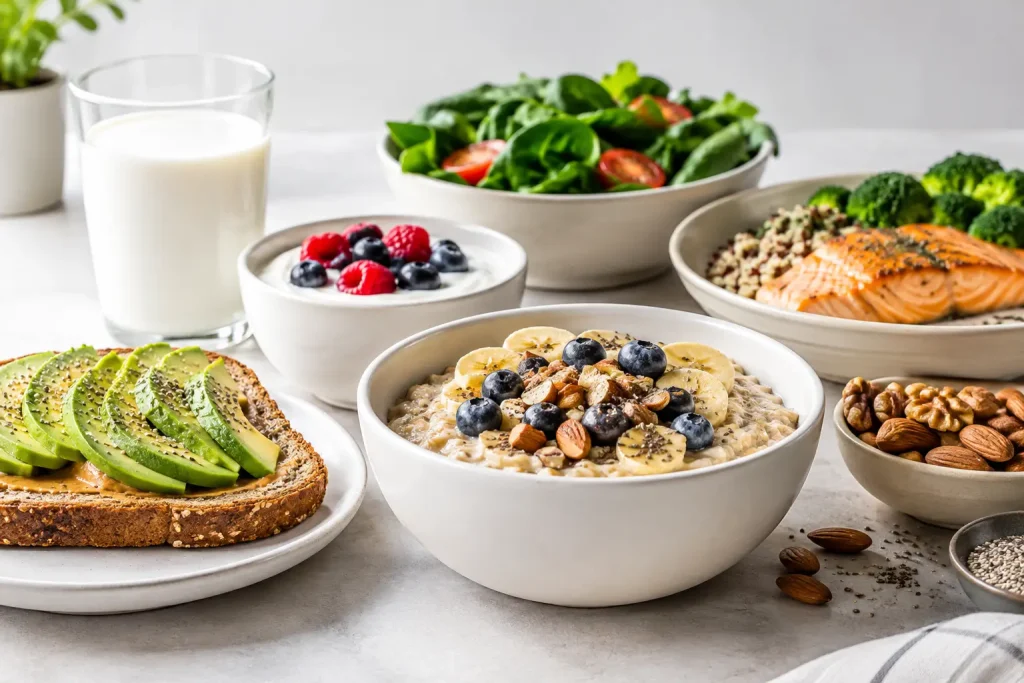
Try to include a preferred carbohydrate plus something with staying power. Cereal with milk and a banana, a waffle with nut butter, oatmeal made with milk, a breakfast quesadilla, or a smoothie with yogurt can all be workable options. If textures are a challenge, serve components separately rather than blending everything into one unfamiliar meal.
For children who barely eat in the morning, reduce the expectation. A few bites before leaving home and a backup snack for the car or school bag may be more realistic than insisting on a full breakfast. Consistency beats intensity.
Plan for the medication appetite shift
Many ADHD medications can reduce appetite during the school day. If that is happening, it is worth discussing with the prescribing clinician, especially if you are seeing weight changes, fatigue, headaches, or a child who is consistently unable to eat enough.
At home, you can also work with the timing rather than fighting it. Offer more nutrient-dense choices when appetite tends to be strongest, often before medication takes effect or later in the afternoon and evening. A snack plate after school can be surprisingly effective: a safe crunchy food, fruit, dairy or another protein, and a drink.
This is not an invitation to pressure a child to “make up” missed calories at dinner. Pressure often backfires, particularly for children with sensory differences or ARFID-related feeding challenges. Offer the opportunity, keep the mood neutral, and let your child decide what their body can manage.
Respect sensory needs at the table
Many children with ADHD also experience sensory sensitivities. Temperature, smell, color, mixed textures, brand differences, and even a food touching another food can make eating feel overwhelming. What looks like stubbornness may be a genuine nervous-system response.
You do not have to remove every challenge forever. But you can stop treating distress as defiance. Serve new foods in tiny, no-pressure portions beside a familiar option. Let your child smell, touch, lick, or ignore the food without being corrected. Keep preferred brands when a brand change would make the entire meal inaccessible.
Food exploration is more likely when a child feels safe. It is far less likely when they believe every meal is a test they can fail.
When a nutrition safety net makes sense
Some children are willing to eat a range of foods with time and repetition. Others have a genuinely narrow diet for months or years. In those seasons, parents need more than another list of recipes. They need a practical bridge between what their child can eat today and the nutrition they hope to support over time.
A clean, whole-food nutrition powder that blends invisibly into foods your child already accepts can be one option. InviNutri was designed for this exact reality: no added sugar, dyes, or synthetic ingredients, and no demand that a child tolerate a new drink, gummy, smell, or gritty texture. It is not a replacement for meals or medical care. It is a daily nutrition safety net for families who need a lower-conflict way to add foundational support.
If you use any supplement, review the ingredients with your child’s clinician or dietitian, particularly if they take medication, have allergies, or have a diagnosed feeding disorder. More is not always better, and a child with significant food restriction may benefit from individualized guidance.
A calmer approach is still a powerful one
You do not need to solve your child’s entire diet this week. Choose one dependable eating moment – breakfast, the after-school snack, or bedtime – and make it a little more supportive using foods that already feel safe.
That small shift may not look dramatic from the outside. But for a child who has spent too many meals feeling overwhelmed, and for a parent who has spent too many meals worried, a calmer routine can be a meaningful form of care.