Can ADHD Affect Appetite in Kids? What Parents See
September 18, 2026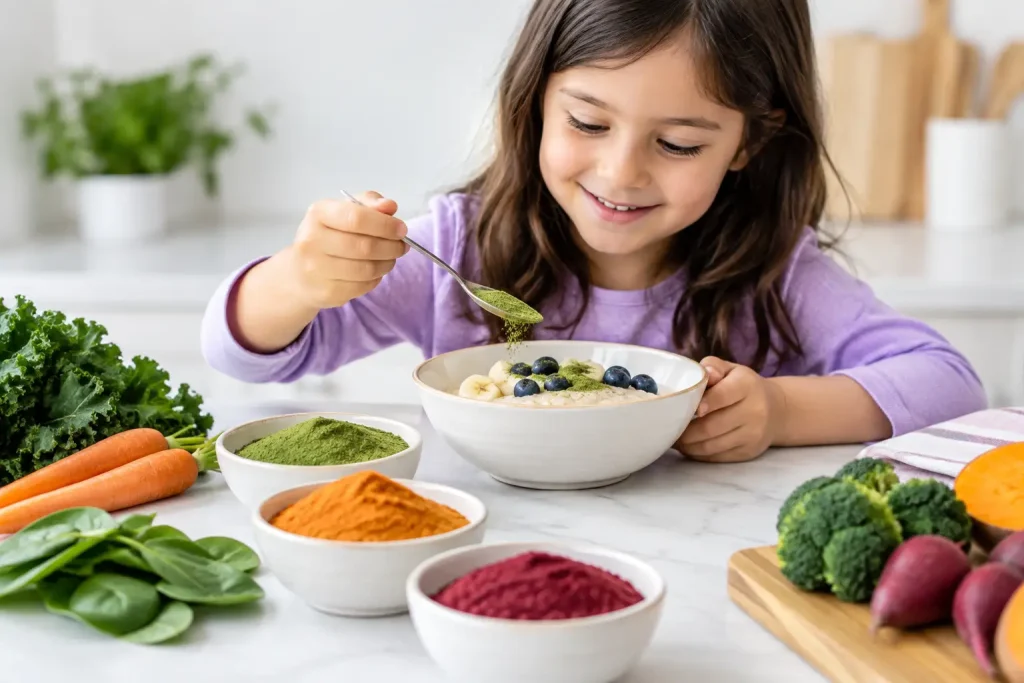
A spoonful of something new can be enough to derail breakfast for a child with sensory sensitivities. That is why learning how to blend vegetable powders is less about finding a clever recipe and more about protecting the foods your child already trusts. The goal is not to turn every meal into a nutrition project. It is to add quiet, reliable support without changing the taste, texture, or emotional safety of the plate.
For parents managing extreme picky eating, a restricted diet, ARFID-related challenges, or neurodivergent sensory needs, this approach can take pressure off everyone. A vegetable powder is not meant to replace exposure to whole foods, feeding support, or medical guidance when it is needed. It can simply be a practical nutrition safety net on the days when the accepted-food list is short.
Start With a Food Your Child Already Accepts
The best food for blending is not necessarily the food with the most nutrition. It is the one your child eats consistently and comfortably. For one child, that may be oatmeal. For another, it may be a smoothie, yogurt, applesauce, pasta sauce, pancake batter, or a favorite muffin.
Consistency matters because it gives you a clearer picture of what is working. If you introduce a powder in a brand-new recipe, a new cup, and at a different time of day, it becomes difficult to know what caused a refusal. Keep the food, serving style, temperature, and routine as familiar as possible while you test the blend.
Smooth or moist foods are usually the easiest starting point. They give the powder room to disperse, which helps prevent visible specks and a gritty mouthfeel. Dry foods such as crackers, plain cereal, or toast are generally harder to work with unless the powder is mixed into a spread or batter first.
How to Blend Vegetable Powders Without Texture Changes
Even a mild powder can become noticeable if it is added too quickly or stirred unevenly. The most reliable method is to make a small, smooth slurry before adding it to the full serving. Mix the powder with a teaspoon or two of the same liquid or soft food you are using, then stir that mixture thoroughly into the larger portion.
For example, if you are using yogurt, blend the powder into one small spoonful of yogurt until it looks completely smooth. Then fold it into the rest. With oatmeal, mix it first with a small amount of warm milk or water before stirring it through. In a smoothie, add the powder while the blender is running rather than sprinkling it on top at the end.
Temperature can make a difference. Warm foods often mix more easily, but very hot foods may change the flavor of certain ingredients or create clumps. Let food cool slightly before mixing, especially if your child is highly sensitive to small changes in smell or thickness.
Start with less than a full serving. This is not because parents need to be timid about nutrition. It is because sensory trust is valuable. Begin with a small amount that you can fully disperse, watch for any difference in acceptance, and gradually work toward the intended serving over several days. A child who continues eating a safe food calmly is making progress.
Match the Method to the Food
Different foods need different mixing techniques. A blender is useful for smoothies, soups, and sauces, but it is not always necessary. In fact, pulling out a loud blender can make a simple routine harder for a child who is sensitive to sound or changes in the kitchen.
For smoothies and shakes, blend the powder with the liquid first, then add thicker ingredients such as banana, yogurt, or nut butter. This gives the powder time to dissolve and reduces the chance of specks collecting around the sides of the cup.
For yogurt, pudding, applesauce, and purees, use the slurry method and stir longer than you think you need to. Scrape the sides and bottom of the bowl. A small whisk or milk frother can help when a spoon leaves tiny dry pockets behind.
For pancakes, waffles, muffins, or other baked foods, whisk the powder into the dry ingredients before adding the wet ingredients. This distributes it more evenly. Baked goods can be a helpful option for children who prefer predictable finger foods, though baking may not be right for every product. Follow the directions for the specific powder, especially if it contains heat-sensitive nutrients.
For pasta sauce, soups, and savory foods, mix the powder into a small portion of sauce or broth first, then return it to the pan. Choose a recipe your child already accepts. A new flavor profile plus a new texture is often too much at once, even when the nutrition is excellent.
Watch for the Small Signs That Matter
Parents are often told to focus only on whether a child “likes” a food. But with sensory-sensitive eating, the smaller signals can tell you more. Does your child pause before taking a bite? Inspect the color? Ask why it looks different? Eat two bites and leave the rest? These are useful clues, not signs that you have failed.
If acceptance changes, reduce the amount and return to the last version that felt safe. You may also need to switch the vehicle. A powder that disappears beautifully in a berry smoothie may be noticeable in vanilla yogurt. This is not a problem with your child or your parenting. It is simply a mismatch between the powder, the food, and your child’s sensory profile.
Color is often the first giveaway. Green-toned powders may work better in chocolate smoothies, tomato sauce, berry blends, or darker baked goods than in pale foods. A truly fine, mild whole-food powder can be easier to use across more foods, but every child has a different threshold for change.
Smell matters, too. Some children notice a scent long before they taste anything. Mixing a powder into a strongly familiar food may help, but do not assume stronger is always better. A favorite food should still taste like itself.
Keep the Routine Low-Pressure
The nutrition support should reduce mealtime conflict, not become another battleground. Offer the food in the usual way. Avoid watching closely, negotiating bites, or asking your child to explain what they notice. For many children, pressure makes a tiny change feel much bigger.
It also helps to keep portions small at first. Serve the familiar food alongside other accepted foods, rather than making it the entire meal. If your child declines it, stay neutral and try again another day in a different familiar food. Repeated pressure can damage trust; patient repetition can preserve it.
Families vary in how they talk about added nutrition. Some children prefer not to discuss changes to a familiar food, while others need clear information to feel safe. Follow your child’s communication needs and your family’s values. If your child requires transparency to maintain trust, honor that. If feeding is causing significant distress, weight concerns, nutritional deficiencies, or an increasingly limited diet, a pediatrician, registered dietitian, or feeding therapist can offer individualized support.
Choose a Powder Made for Real Family Food
Not every vegetable powder is designed to disappear into a child’s everyday meals. Some are intensely flavored, sweetened, gritty, or brightly colored. Others are built like adult performance supplements, with ingredients that do not fit a child-focused routine.
Look for a powder with a fine texture, a mild flavor, and a straightforward ingredient list. It should fit easily into the foods your child already relies on, without added sugar, artificial dyes, or a long list of unnecessary extras. InviNutri was created around that practical need: whole-food nutrition designed to stay invisible in familiar foods, so support does not have to come with a daily argument.
A vegetable powder works best when it becomes boring in the best possible way: a simple part of breakfast, a familiar smoothie, or a sauce your child already enjoys. You are not trying to create a perfect eater. You are building a calmer system that gives your child nourishment and gives you a little more room to breathe.