Parent Guide to Restricted Diet Support at Home
August 22, 2026
Meal Ideas for Texture Sensitive Kids That Feel Safe
August 26, 2026
The third bowl of buttered noodles this week can feel like a flashing warning sign when you are the parent responsible for your child’s growth. You may be wondering how to support food jags without turning every meal into a negotiation, a lesson, or a battle. The good news is that a food jag is often a child’s way of finding predictability, not proof that you have done something wrong.
For many children, especially those with sensory sensitivities, ADHD, autism, anxiety, or ARFID-related feeding challenges, familiar food can feel safe in a way that new food simply does not. Your job is not to force variety on a deadline. It is to keep meals emotionally safe while creating a realistic plan for nutrition.
What a food jag really means
A food jag happens when a child wants the same food, or same small group of foods, repeatedly for days or weeks. It might be one brand of crackers, plain yogurt, chicken nuggets prepared one exact way, or a particular shape of pasta.
This can be frustrating when it looks like their diet is shrinking. But repetition is developmentally common, and it can serve a purpose. Young children are wired to be cautious around unfamiliar foods. For a child with sensory differences, the flavor, temperature, smell, appearance, and texture of a known food may be one of the few predictable parts of a busy day.
A food jag becomes more concerning when it comes with weight loss, pain while eating, choking or gagging, dehydration, fatigue, frequent illness, constipation that is not improving, or a rapidly narrowing list of accepted foods. If you see those signs, talk with your child’s pediatrician. A feeding therapist or registered dietitian with experience in pediatric feeding can also help you understand what is happening without blaming your child or your parenting.
How to support food jags without adding pressure
The most helpful response is usually less dramatic than parents expect. A calm, repeatable meal structure can protect your child’s trust while making room for gentle exposure over time.
Keep safe foods on the plate
A safe food is something your child reliably eats. Serving it does not mean you are giving in. It means you are making sure there is something at the table your child can approach without fear.
When you serve a familiar food alongside a small amount of another family food, your child has choice without being handed the entire burden of deciding what is for dinner. The unfamiliar item can stay untouched. Seeing and smelling it still counts as exposure.
Try not to make the safe food conditional. Statements like, “You can have more crackers after three bites of broccoli,” may seem harmless, but they can make the broccoli feel even more threatening and the crackers even more valuable. Offer food calmly, and let your child decide whether and how much to eat.
Change one detail at a time
When a child is deep in a food jag, a completely new meal can be too big a leap. Instead, use food chaining: build from what they already accept.
If your child eats plain waffles, a next step might be a slightly different waffle shape. Later, it could be the same waffle cut into strips, served with a familiar dip nearby. If they eat a certain pasta, you might try the same noodle with a tiny amount of butter, then eventually a similar noodle shape.
This is not about tricking your child into eating something. It is about respecting the sensory rules their brain is using right now. Small changes are more likely to feel manageable than a dramatic “just try it” moment.
Protect the table from constant commentary
Many children eat less when they feel watched. Comments such as “Take one more bite,” “You used to love this,” or “Your sister eats it” can raise the emotional temperature fast, even when they come from worry.
Aim for neutral language instead. You can say, “The strawberries are there if you want them,” or “You do not have to eat it.” Then move the conversation away from food. Talk about the funny thing that happened at school, the dog sleeping under the table, or tomorrow’s plans.
This can feel counterintuitive when you are worried about nutrition. Yet lowering pressure often gives children more room to explore food in the long run. It also helps meals stop feeling like a test they are expected to fail.
Use predictable timing, not all-day grazing
A child who snacks constantly may not arrive at meals with enough appetite to eat, even foods they usually enjoy. That does not mean you need a rigid schedule or should let your child go hungry. It means offering a predictable rhythm of meals and snacks, with water available between them, can make eating feel more organized and less chaotic.
The right schedule depends on your child’s age, medical needs, and daily routine. In general, leaving some space between eating opportunities helps hunger and fullness cues do their job. If your child has a very restricted intake, check with their care team before making big changes to timing or portions.
Support nutrition while variety is limited
One of the hardest parts of a food jag is the mental math. You are not only seeing toast or beige crackers. You are wondering about protein, iron, fiber, vitamins, and whether this phase is affecting your child’s development.
Start with what your child does eat. A limited menu can still contain useful nutrition, and identifying those wins matters. Milk, yogurt, eggs, fortified cereal, beans, fruit, smooth nut or seed butters, and accepted proteins can all contribute, depending on the child and the foods they tolerate.
At the same time, it is okay to admit when food variety is not enough to give you confidence. Conventional advice often assumes children will eventually eat the colorful plate if parents keep offering it. Some children do. Others need a more practical safety net while feeding skills and tolerance develop.
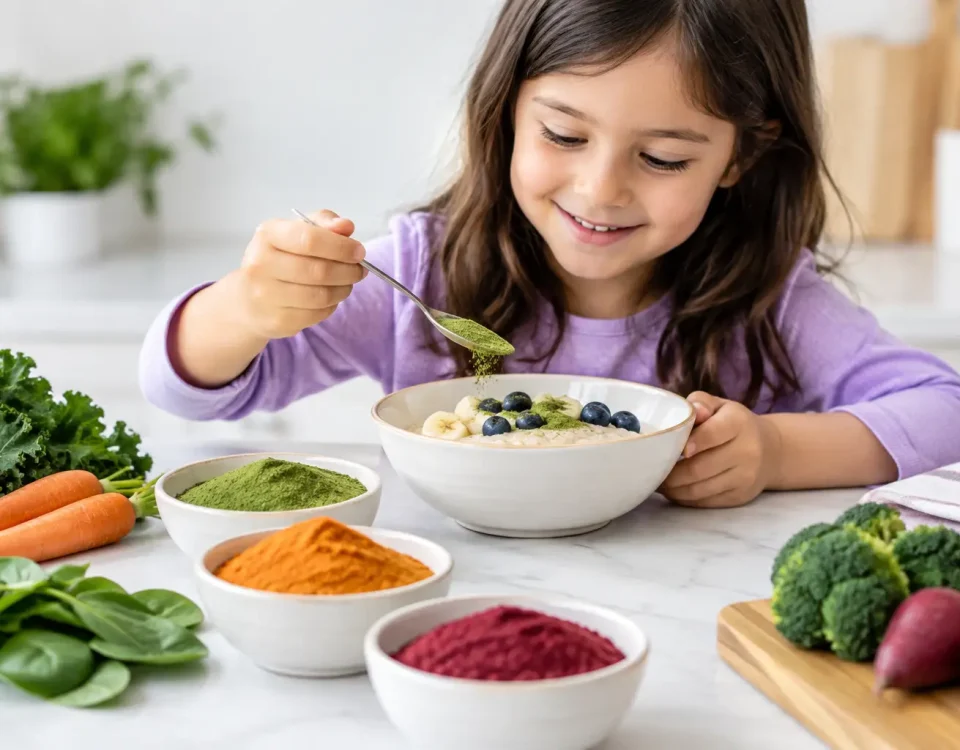
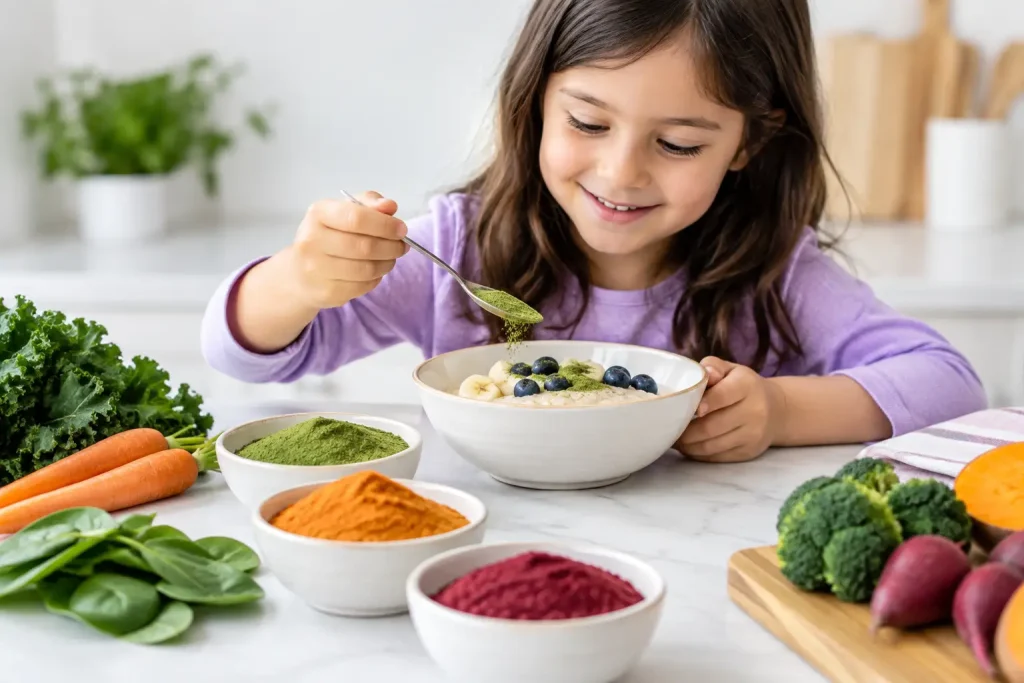
For families who need extra support, an invisible whole-food nutrition powder can be blended into foods a child already accepts, without asking them to tolerate a new flavor or texture. InviNutri was created for this exact gap: a way to add daily nutritional support to familiar meals while protecting the trust and calm you are working hard to build.
Use any nutrition product as support, not as a reason to stop offering food or seeking clinical guidance when needed. The goal is not perfection on every plate. It is reducing nutritional risk while your child has space to grow.
What not to do during a food jag
Avoid abruptly removing your child’s preferred food in hopes that hunger will force them to try something else. For a typically adventurous child, that strategy may create tears and a short-term standoff. For a child with sensory or feeding challenges, it can deepen fear around meals and reduce intake further.
It also helps to avoid disguising unfamiliar foods in a way that changes the taste or texture of a trusted food. If your child discovers that their reliable yogurt suddenly tastes different, they may reject the yogurt too. When you add nutritional support, choose options designed to stay truly undetectable and introduce them carefully in a food that is already stable and well accepted.
Finally, do not measure progress only by bites swallowed. A child who tolerates a new food on their plate, touches it with a fork, or smells it without distress may be doing meaningful work. Those small signs are often the foundation for eating later.
When to get more help
Food jags are common, but your worry deserves to be taken seriously. Reach out for professional support if your child’s accepted-food list is consistently shrinking, mealtimes trigger panic or intense distress, growth is a concern, or eating seems painful or physically difficult.
Bring a simple record of what your child eats over several days, along with notes about gagging, bowel habits, energy, and any patterns you notice. This gives the pediatrician a clearer picture than one stressful dinner ever could.
You do not have to earn help by waiting until things get worse. Support is appropriate when feeding is taking over your family’s emotional energy, too.
Tonight, let one familiar food be enough to begin. Sit nearby, keep the pressure low, and remember that safety is not the opposite of progress. For many children, it is where progress starts.