How to Support Food Jags Without Mealtime Stress
August 24, 2026
Hidden Nutrition vs Force Feeding: A Kinder Path
August 28, 2026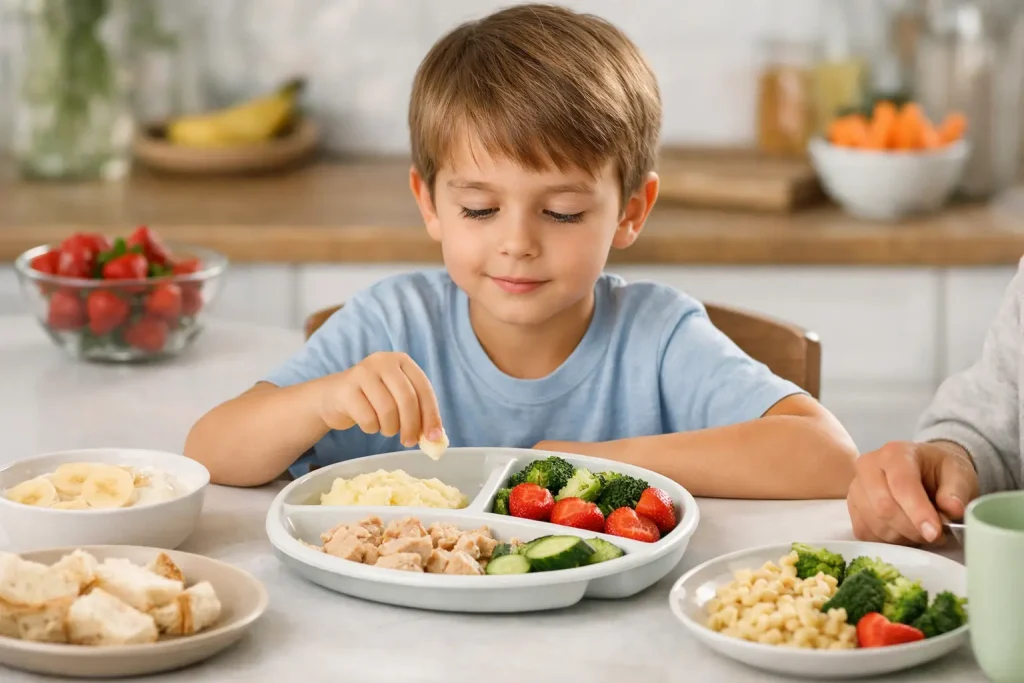
Some children can spot one unexpected speck in a familiar food before the spoon reaches their mouth. They may reject a meal because the noodles are too soft, the toast is not crisp enough, or the yogurt has a tiny lump. When you need meal ideas for texture sensitive kids, the answer is not to make food more exciting. It is to make food feel predictable, safe, and manageable.
That is not “giving in.” Texture sensitivity can be a real sensory barrier, especially for children with autism, ADHD, anxiety, ARFID-related feeding challenges, or a long history of stressful meals. A child who is overwhelmed by a food’s feel, smell, temperature, or appearance is not being difficult. They are communicating that their nervous system is not ready for that food in that form.
Start With Safe Foods, Not Food Battles
The most useful meal plan is one your child can actually approach. Start with at least one reliable safe food at each meal: the cracker, plain pasta, dry cereal, specific brand of chicken nugget, or apple slices they know and trust. A safe food gives your child a foothold at the table and reduces the pressure that can make eating even harder.
Then, if it feels appropriate, offer one familiar-adjacent food nearby. This is not a requirement to taste it. It is simply an opportunity for low-pressure exposure. For example, a child who eats crunchy crackers may tolerate toasted pita triangles before they are ready for a soft sandwich. A child who likes smooth vanilla yogurt may be able to keep a sealed cup of plain yogurt on the plate before trying a different flavor.
Texture-sensitive eating is rarely solved by hiding a totally unfamiliar food inside a favorite meal. Unexpected changes can break trust, particularly for children who notice every detail. Predictability matters. When you add nutrition to food, it should stay truly invisible in taste and texture.
Meal Ideas for Texture Sensitive Kids by Texture Preference
Instead of organizing meals around what adults think a child “should” eat, organize them around the textures your child accepts most easily. Many kids prefer crunchy, dry, smooth, uniform, or separated foods. Their preference may change by day, and that is okay.
For kids who prefer crunchy, dry foods
Crunchy foods can feel easier to control. They have a clear sound, a clear bite, and fewer surprises than mixed or slippery foods. Try a snack-style lunch with crisp crackers, pretzel sticks, baked pita chips, freeze-dried fruit, cucumber rounds, or lightly toasted cheese quesadilla wedges. Keep items separated rather than piled together.
For dinner, consider oven-crisped potato wedges, breaded chicken strips, toasted ravioli, or crispy black bean and cheese tacos if your child accepts those flavors. Serve a familiar dip on the side only if dips are already comfortable. For some children, even a small amount of sauce touching a preferred food can make the entire plate feel unsafe.
For kids who prefer smooth foods
Smooth, uniform meals can be a practical option for children who struggle with lumps, skins, seeds, or mixed textures. Creamy macaroni and cheese, plain yogurt, smooth applesauce, mashed potatoes, blended soups, pudding, and oatmeal with a consistent texture may work well.
Pay attention to temperature, too. Some children will eat yogurt cold but refuse it once it warms up. Others accept warm oatmeal but not chilled overnight oats. Tiny details may look insignificant from the outside, but honoring them can make meals calmer.
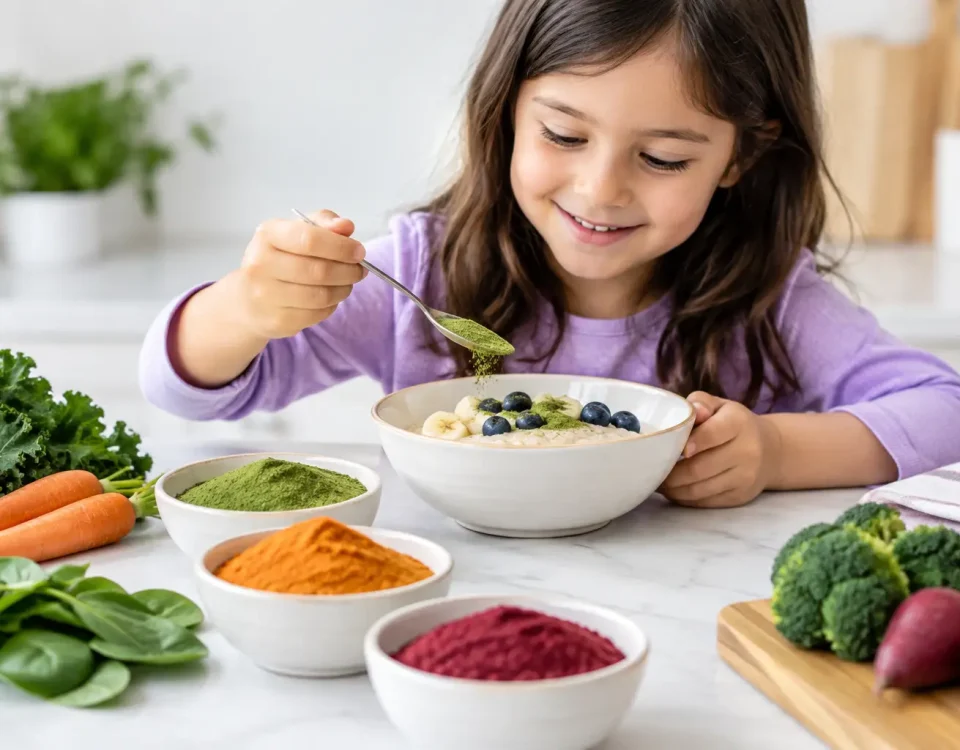
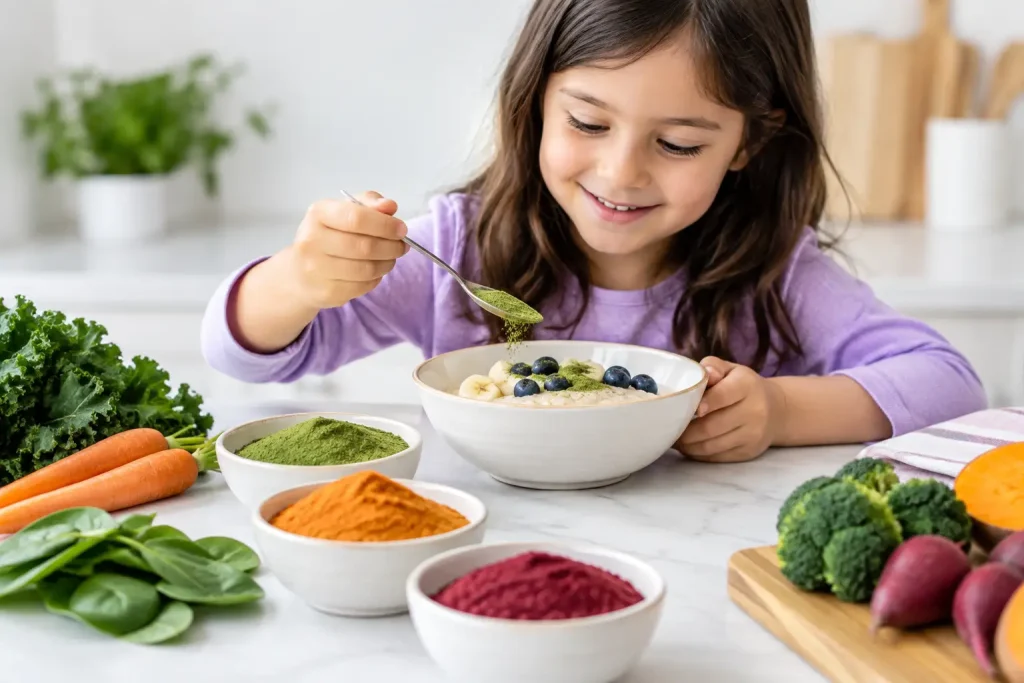
If you are looking for a way to support nutritional coverage within an accepted smooth food, a truly texture-neutral whole-food powder can be helpful when it blends into a food your child already eats. InviNutri was created for this exact reality: parents who need a daily nutrition safety net without asking their child to accept a new flavor, grit, or visible change.
For kids who need foods kept separate
Mixed dishes can be especially challenging because each bite is different. A casserole may contain soft vegetables, melted cheese, sauce, and meat all at once. That can be too much sensory information, even when the individual ingredients are familiar.
A deconstructed plate often works better. Serve plain rice, chicken pieces, shredded cheese, and a favorite fruit in separate sections. Instead of a loaded taco, offer the tortilla, meat, cheese, and crunchy lettuce separately. Instead of stir-fry, offer noodles, a protein, and vegetables in individual piles.
This approach is not a nutritional failure. It is a practical bridge that lets your child eat enough while you protect their sense of control.
For kids who like predictable beige foods
Parents are often told to worry when a child’s plate looks mostly beige. Worry is understandable, but shame does not help. Beige foods are frequently predictable in taste and texture, which can make them feel safer.
Build from what is working. If your child eats plain pasta, try different shapes made with the same familiar sauce or no sauce at all. If they accept toast, test whether they prefer it cut into strips, triangles, or whole pieces. If they eat chicken nuggets, offer one nugget alongside a similarly crisp fish stick or a homemade breaded chicken strip. The goal is not to swap every safe food for a “healthier” version overnight. It is to widen the circle slowly, if and when your child can handle it.
Make Tiny Changes on Purpose
When texture is the issue, small changes are often more useful than big recipe overhauls. Think of meals as a set of variables: shape, brand, temperature, color, crispness, moisture, and whether foods touch. Change one variable at a time.
A child who eats a particular noodle may not be refusing pasta. They may be refusing a noodle that holds more sauce or feels different when chewed. A child who eats one kind of apple may be reacting to softness, not flavor. This is why “they liked it last week” can be true and still not make today’s version acceptable.
Try keeping a simple mental note of what makes a food work. Is it crunchy? Room temperature? Plain? A specific shape? Once you identify the pattern, meal planning becomes less mysterious and less personal. You are not failing to make your child eat. You are learning the conditions that make eating feel possible.
Protect the Mood of the Meal
No meal idea can work well if the table feels like a test. Pressure, bargaining, repeated reminders, and comments about taking “just one bite” can increase anxiety around food. For some children, that anxiety follows them to the next meal.
Serve the food, sit with your child if you can, and let the meal have a clear ending. You can be warm without negotiating. A simple phrase such as, “You do not have to eat it, but it can stay on your plate,” gives your child room to notice food without feeling trapped.
It also helps to separate your child’s intake from your worth as a parent. A child may eat five foods one week and two foods the next. Illness, fatigue, school stress, constipation, growth changes, and sensory overload can all affect eating. Consistency matters more than a perfect plate.
When to Ask for More Support
Texture sensitivity deserves support, not dismissal. Talk with your child’s pediatrician and consider a feeding therapist, occupational therapist, or registered dietitian if your child has a very limited food range, coughs or gags often, loses weight, avoids entire food textures, or feels distressed around meals. Children with ARFID-related challenges need individualized care, especially when growth or hydration is affected.
You do not need to wait until meals are unbearable to ask for help. The right support can help you understand your child’s sensory needs while protecting the trust that makes progress possible.
Tonight, choose the meal with the fewest surprises. Put one safe food on the plate, keep the rest simple, and let a peaceful meal count as progress. For a child who feels safe at the table, that is never a small thing.